You Won’t Believe What Lahore’s Hidden Markets Are Hiding
Lahore isn’t just about grand forts and spicy food—it’s a treasure trove of specialty crafts and local masterpieces waiting to be discovered. I dove into its bustling lanes and found artisans shaping centuries-old traditions with their hands. From handwoven textiles to intricately crafted bazaars, every product tells a story. This is more than shopping—it’s a cultural journey. Let me take you through the soul of Lahore, one handmade gem at a time.
Stepping Into Lahore’s Living Heritage
Lahore, often called the cultural heart of Pakistan, carries a legacy that stretches back over a thousand years. As one of South Asia’s oldest continuously inhabited cities, it has long served as a crossroads of empires, religions, and artistic movements. From Mughal splendor to colonial influences and modern-day innovation, Lahore’s streets echo with history. Yet beyond its famed landmarks like the Badshahi Mosque and Lahore Fort lies a quieter, equally powerful expression of its identity: the enduring tradition of artisanal craftsmanship.
The city has long been a sanctuary for skilled makers—embroiderers, potters, metalworkers, and weavers—who have preserved techniques passed down through generations. These crafts are not merely decorative; they are living testaments to regional identity, community values, and spiritual expression. In neighborhoods tucked behind ancient city walls or nestled within bustling commercial districts, families continue to produce goods using methods refined over centuries. Their work reflects not only aesthetic excellence but also a deep connection to place, season, and ritual.
What makes Lahore’s specialty products so meaningful is their rootedness in local life. Unlike mass-produced souvenirs, these items are born from specific environments—clay from the Ravi River basin used in blue pottery, cotton grown in Punjab woven into vibrant shawls, and dyes extracted from plants like indigo and pomegranate rind. Each piece carries the imprint of its maker’s hands and the rhythm of daily life in this dynamic city. To engage with these crafts is to participate in a broader narrative of resilience, continuity, and cultural pride.
The Pulse of the Walled City: Exploring Anarkali and Badshahi Hub
One of the most vivid ways to experience Lahore’s artisanal spirit is by walking through the historic Anarkali Bazaar, one of the oldest markets in the Indian subcontinent. As you step into its narrow, sun-dappled lanes, the air fills with the scent of sandalwood, dried roses, and freshly ground spices. The chatter of vendors, the clinking of brassware, and the rhythmic tapping of hammers on metal create a symphony unique to this part of the city. Here, commerce and culture blend seamlessly, with shops spilling onto sidewalks and craftsmen working in full view of passersby.
Anarkali is renowned for its textiles, particularly hand-embroidered phulkari, a Punjabi tradition meaning 'flowering' or 'floral work.' These intricate embroideries, traditionally made by women for weddings and festivals, feature bold geometric patterns and rich color combinations. Artisans use silk threads on cotton or khadi fabric, stitching each design freehand without templates. The result is a deeply personal expression of artistry, where no two pieces are exactly alike. Nearby, block-printing studios continue another age-old practice, using hand-carved wooden stamps to transfer floral and paisley motifs onto fabric. Natural dyes ensure the colors remain vibrant while staying gentle on the environment.
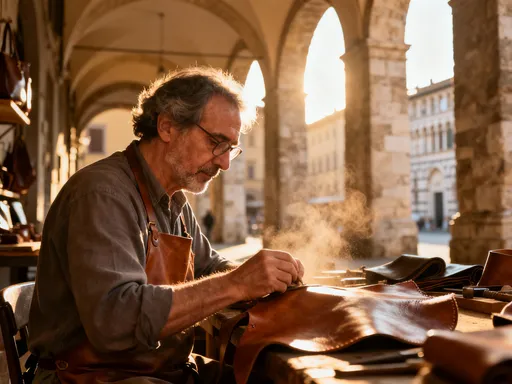
Another signature craft found throughout the bazaar is the making of juttis—traditional Punjabi footwear known for their curled toes and ornate embellishments. Crafted in small workshops behind curtain-covered doorways, these shoes are stitched entirely by hand using leather, mirror work, and zari thread. A single pair can take several days to complete, depending on the complexity of the design. Visitors who pause to watch the cobblers at work often find themselves drawn into conversation, learning about family legacies and the evolving tastes of modern buyers. These interactions transform a simple purchase into a moment of human connection.
Beyond Souvenirs: Understanding What Makes These Products Unique
When travelers encounter Lahore’s handmade goods, it’s easy to admire their beauty—but understanding what sets them apart requires looking beyond surface appeal. Specialty products from this region are defined by their authenticity, process, and cultural significance. Unlike factory-made items designed for global markets, these crafts are deeply embedded in local traditions, created using time-honored methods that prioritize quality over quantity. They are not commodities; they are expressions of identity, made by people who see their work as both livelihood and legacy.
Take, for example, Lahore’s distinctive blue pottery. Originating from Central Asia and refined in the Mughal era, this craft uses a unique blend of quartz, glass, and multani mitti (Fuller’s earth) to create lightweight, translucent ceramics. Artisans hand-mold each piece, then paint it with cobalt oxide, which turns a striking turquoise during firing. The motifs—often inspired by Persian and Islamic art—include floral vines, stars, and geometric patterns. Because the process is entirely manual and dependent on natural materials, no two tiles or bowls are perfectly identical. This variability is not a flaw but a mark of authenticity.
Similarly, copperware crafted in Lahore’s old quarters showcases both utility and artistry. Skilled metalworkers hammer sheets of pure copper into bowls, trays, and tea sets, then stamp them with traditional Punjabi motifs such as peacocks, mangoes, and floral sprays. These items are not only decorative but functional, valued for their ability to preserve the taste of food and water. The tools used—simple hammers, chisels, and anvils—have changed little over generations, underscoring the continuity of technique. Even the finishing process, which involves polishing with tamarind paste, relies on natural substances readily available in local markets.
What further distinguishes these crafts is the knowledge system behind them. Skills are typically transmitted orally and through practice, with apprentices learning by observing elders. There is no formal manual for phulkari embroidery or zari weaving—only memory, patience, and repetition. This intangible heritage, recognized by UNESCO as part of humanity’s cultural wealth, is fragile in the face of industrialization and shifting consumer habits. Yet in Lahore, it persists, sustained by communities who view craftsmanship as a form of cultural stewardship.
Meet the Makers: Conversations with Lahore’s Artisans
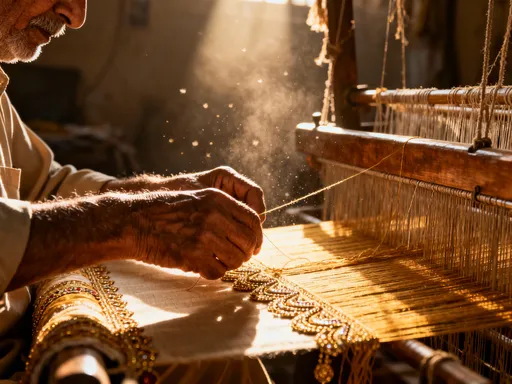
To truly appreciate Lahore’s crafts, one must meet the people behind them. In the quiet lanes of Shahi Mohalla, not far from the grandeur of the Wazir Khan Mosque, lives Master Naseer, a fourth-generation carpet weaver whose family has been crafting hand-knotted rugs for over a century. Inside his modest workshop, lit by a single hanging bulb, four weavers sit side by side at vertical looms, fingers moving rhythmically as they tie thousands of knots per square inch. Each carpet takes months to complete, with designs drawn from Mughal miniatures, Persian poetry, and local folklore.
Master Naseer speaks softly but with conviction about his craft. “This is not just a job,” he says. “It’s a promise to my ancestors. My grandfather taught my father, who taught me. Now I teach my sons. If we stop, this knowledge disappears.” He gestures to a nearly finished piece—a deep red carpet with a central medallion and intricate border work. “This one will go to a collector in London. But I hope more people come here, see how it’s made, and understand its value.”
Not far away, in a tucked-away alley near Delhi Gate, is a family-run studio specializing in zari work—gold and silver thread embroidery used in ceremonial garments and home décor. Run by sisters Ayesha and Sana, the studio employs ten women who hand-apply metallic threads onto silk and velvet fabrics. The process is painstaking: each strand is laid by hand and secured with fine stitches, creating shimmering patterns that catch the light. “Zari is not just about luxury,” Ayesha explains. “It’s about celebration, about honoring special moments. When a bride wears a zari-embroidered dress, she carries a piece of our history with her.”
Despite their dedication, many artisans face growing challenges. Rising material costs, competition from machine-made imitations, and declining interest among younger generations threaten the sustainability of these crafts. Some workshops have closed due to lack of demand, while others struggle to find apprentices willing to commit to years of training. Yet tourism, when practiced responsibly, can offer a lifeline. Visitors who take the time to learn about the process, ask questions, and pay fair prices contribute directly to the preservation of these traditions. Ethical engagement—choosing authenticity over convenience—can make all the difference.
Where to Find Authentic Goods Without the Tourist Markup
While Lahore offers countless shopping opportunities, finding genuine handmade crafts requires knowing where to look. Popular tourist spots often sell factory-produced imitations labeled as “handmade,” priced at inflated rates. To experience the real heart of the city’s artisan economy, travelers should venture beyond the main attractions and explore local markets frequented by residents.
Liberty Market, located in the Gulberg district, is a reliable destination for high-quality textiles, jewelry, and home décor. Unlike crowded bazaars, it offers a more organized shopping experience, with fixed prices in many stores. However, bargaining is still acceptable in smaller boutiques, especially when purchasing multiple items. Shah Alam Market, adjacent to Liberty, is particularly known for its collection of independent designers and craft collectives. Here, visitors can find curated selections of phulkari shawls, block-printed table linens, and hand-thrown ceramics—all made by verified artisans.
For a more immersive experience, the lanes surrounding Data Darbar, the shrine of Sufi saint Data Ganj Bakhsh, offer a glimpse into Lahore’s spiritual and artisanal fabric. Small stalls sell prayer mats woven with traditional patterns, incense burners made of brass, and embroidered caps. These items are often used in daily religious practice, ensuring their designs remain true to cultural norms. Because many visitors come here for spiritual reasons rather than shopping, prices tend to be fair and reflective of production costs.
Distinguishing authentic handmade goods from mass-produced copies requires attention to detail. Look for slight irregularities in stitching, variations in color due to natural dyes, and the weight and texture of materials. Handmade juttis, for instance, will have subtle asymmetries and soft, molded leather, while machine-made versions feel stiff and uniform. Similarly, genuine blue pottery has a delicate translucence and a slightly uneven glaze, whereas ceramic imitations are heavier and overly glossy. Building rapport with vendors also helps—asking about the origin of an item or the maker’s name often reveals whether it’s truly handmade.
Bargaining, a common practice in Pakistani markets, should be approached with respect. Begin by asking the price, then offer slightly less—typically 20–30% below the initial quote. Listen to the vendor’s counteroffer and aim for a fair middle ground. A smile, a polite greeting, and genuine interest in the craft go a long way. When done respectfully, haggling becomes a shared ritual, reinforcing trust and mutual appreciation.
Bringing Lahore Home: How to Pack and Preserve Delicate Crafts
Once you’ve selected your treasures, the next challenge is bringing them home safely. Many of Lahore’s specialty crafts—ceramics, textiles, and delicate metalwork—are fragile and require thoughtful packing. The key is to balance protection with practicality, especially when navigating airline luggage restrictions.
For ceramics like blue pottery, wrap each piece individually in bubble wrap or soft cloth, then place them in a rigid box with cushioning material such as foam or crumpled paper. If you’re carrying items in your checked luggage, consider placing the box inside a hard-shell suitcase for added protection. For smaller pieces, padded pouches or even clean socks can serve as effective buffers. Avoid stacking heavy items on top, and clearly label the bag as containing fragile goods.
Textiles such as phulkari shawls, zari-embroidered fabrics, and block-printed scarves should be folded gently and stored in breathable cotton bags rather than plastic, which can trap moisture and lead to mildew. If possible, roll them around a cardboard tube to minimize creasing. Before packing, ensure they are clean and completely dry to prevent stains or odors during transit. Upon arrival, air them out in a shaded area to refresh the fibers.
Leather goods like juttis also need care. Stuff them with tissue paper to maintain shape and absorb any residual moisture. Store them in a dust bag or pillowcase to prevent scratches. Avoid exposing them to direct sunlight or humidity, which can cause cracking or fading over time. A light conditioning with natural leather oil every few months will keep them supple and long-lasting.
After your journey, continue supporting the artisans by caring for your purchases properly. Hand-wash delicate fabrics with mild soap, air-dry away from direct heat, and store them in cool, dry places. Display ceramics on stable shelves, out of reach of children or high-traffic areas. If you fall in love with a particular craft, consider placing repeat orders through fair-trade cooperatives or online platforms that partner directly with Lahore’s makers. This not only ensures authenticity but also contributes to sustainable livelihoods.
Why This Experience Changes the Way You Travel
Shopping in Lahore’s hidden markets is about far more than acquiring souvenirs. It represents a shift in how we approach travel itself—from passive consumption to active connection. When we choose to seek out handmade, locally crafted goods, we move beyond the tourist trail and into the heart of community life. We become witnesses to traditions that have endured for generations, participants in a global conversation about cultural preservation and ethical consumption.
This kind of engagement fosters deeper understanding. It invites us to slow down, listen, and appreciate the time, skill, and story behind every object. A handwoven carpet is no longer just a floor covering; it becomes a map of human patience and artistry. A phulkari shawl transforms from fabric into a symbol of celebration, identity, and intergenerational love. These items carry emotional weight, serving as tangible reminders of the places we’ve been and the people we’ve met.
Moreover, choosing authenticity supports economic models that uplift small-scale producers rather than exploit them. It encourages tourism that respects local cultures instead of reducing them to stereotypes. In a world increasingly dominated by fast fashion and disposable goods, Lahore’s artisans remind us of the value of slowness, care, and intentionality. They teach us that true luxury lies not in abundance, but in meaning.
Ultimately, the journey through Lahore’s hidden markets is an invitation—to belong, to remember, to honor. Each craft is a thread in a larger tapestry, connecting past and present, maker and traveler, culture and curiosity. When you hold a piece of Lahore in your hands, you’re not just holding an object. You’re holding a story. And by cherishing it, you help ensure that story continues.