You Won't Believe This Hidden Architecture in Palawan
Palawan isn’t just turquoise waters and white sand—its soul lives in the quiet corners where culture shapes the skyline. I never expected to find such unique architecture tucked between jungles and coastlines: stilted tribal homes, centuries-old stone churches, and bamboo villages built in harmony with nature. This is more than travel—it’s a journey into how people live, adapt, and create beauty from their environment. What makes these structures so special? Let’s explore together.
The Cultural Heart of Palawan: Where Tradition Meets Design
At the core of Palawan’s architectural identity lies its rich tapestry of indigenous cultures. The Tagbanua, Palaw’an, and Batak communities have inhabited these islands for generations, shaping a built environment deeply rooted in spiritual beliefs, environmental awareness, and communal values. Their homes and gathering spaces are not merely functional shelters but reflections of a worldview that sees no separation between people and nature. Architecture here is an extension of cultural philosophy, where every beam, roof angle, and material choice carries meaning.
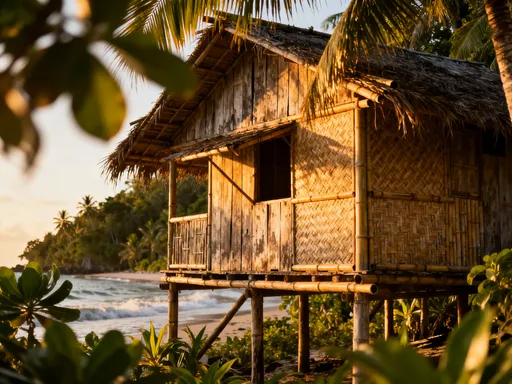
One of the most enduring symbols of this tradition is the *bahay kub*, or nipa hut—a structure found across the Philippines but uniquely adapted in Palawan. These homes are more than rustic dwellings; they represent centuries of accumulated wisdom about tropical living. Elevated on wooden or bamboo stilts, with steeply pitched roofs made from woven palm leaves, they respond directly to the region’s heavy rains and high humidity. More importantly, their open design fosters family interaction and community connection, embodying the collective spirit central to indigenous life.
Understanding these cultural foundations transforms how travelers perceive what they see. It shifts architecture from something to photograph into something to respect and learn from. When visitors recognize that a simple hut reflects ancestral knowledge passed down through oral tradition, the experience becomes deeper and more meaningful. This awareness encourages mindful engagement, preventing the reduction of living traditions into exotic curiosities.
Efforts to preserve these architectural forms go hand in hand with safeguarding cultural identity. In some communities, elders still teach younger generations how to construct traditional homes using age-old techniques. These practices are not relics of the past but active parts of daily life. By honoring the cultural context behind Palawan’s buildings, travelers contribute to a broader appreciation of heritage that sustains both people and place.
Raised on Stilts: Life Above the Ground
One of the most striking features of traditional Palawan architecture is the widespread use of stilted construction. Found in riverside settlements, coastal fishing villages, and forest clearings, these elevated homes serve as practical responses to the island’s dynamic environment. Built several feet above the ground or water, they protect inhabitants from seasonal flooding, creeping wildlife, and damp soil. Yet beyond utility, these structures reflect a way of life finely tuned to natural rhythms.
The typical stilt house uses hardwood posts driven deep into the earth or anchored in shallow water. Floors are made from split bamboo or planks of coconut wood, allowing air to circulate freely beneath. Walls are often woven from palm or bamboo strips, providing privacy without blocking airflow. Roofs, covered in nipa thatch or cogon grass, slope sharply to shed rain quickly. Together, these elements create a lightweight, breathable home ideally suited to Palawan’s hot, humid climate.
Living above the ground also shapes social patterns. The shaded space underneath serves as a multipurpose area—children play there during the day, families gather in the evenings, and fishermen mend nets under the soft glow of kerosene lamps. These under-house zones become informal community hubs, reinforcing bonds among neighbors. The gentle creak of wooden joints in the wind, the rustle of palm thatch overhead, and the distant call of birds form a sensory backdrop that defines daily life in these settlements.
Even today, many families choose to maintain stilt houses despite access to modern materials. This continuity speaks to the effectiveness of traditional design. Architects and sustainability experts have taken note, studying how these age-old methods offer lessons in passive cooling, flood resilience, and low-impact construction. For travelers, witnessing these homes firsthand offers a powerful reminder that innovation does not always mean new technology—it can also mean preserving time-tested wisdom.
Sacred Spaces: Colonial-Era Churches and Local Craftsmanship
Scattered across northern Palawan stand quiet testaments to a complex history—colonial-era stone churches that blend Spanish religious influence with indigenous artistry. In towns like Taytay and Cuyo, these structures rise modestly against the tropical landscape, their thick coral stone walls bearing centuries of sun, wind, and rain. Unlike grand cathedrals in urban centers, these rural churches were built by local hands using local materials, making them unique expressions of cultural fusion.
Constructed during the 17th to 19th centuries, these churches served both spiritual and communal purposes. They were places of worship, yes, but also centers of education, governance, and refuge. What sets them apart is the craftsmanship evident in every detail. Coral stone, quarried from nearby reefs and carefully shaped by hand, forms the foundation and walls. Wooden doors, often made from molave or narra—durable native hardwoods—are intricately carved with floral and religious motifs, each piece reflecting the skill of local artisans.
The roofs, once covered in clay tiles imported from Mexico via the Manila galleon trade, have in many cases been replaced with galvanized iron for durability, yet the original design remains intact. Bell towers stand tall but unassuming, their presence more symbolic than ornamental. Inside, the atmosphere is one of quiet reverence—cool air lingers in the thick-walled nave, and sunlight filters through high windows, illuminating centuries-old altars maintained by devoted parishioners.
Remarkably, many of these churches remain in active use, sustained by community-led preservation efforts. Local volunteers clean, repair, and protect them not only as religious sites but as heritage landmarks. Their survival is a testament to resilience and pride. For visitors, stepping into one of these churches is not just an architectural experience—it’s an invitation to witness living history, where faith, culture, and craftsmanship converge in enduring harmony.
Bamboo Villages: Sustainable Living in Action
In recent years, Palawan has seen a resurgence of interest in bamboo as a primary building material—not just for tradition’s sake, but for its ecological advantages. Across the archipelago, eco-communities, homestays, and community centers are embracing bamboo construction as a sustainable alternative to concrete and steel. Lightweight, fast-growing, and remarkably strong when properly treated, bamboo offers a renewable resource perfectly suited to the island’s climate and seismic conditions.
Traditional bamboo houses use interlocking joints instead of nails, relying on precise craftsmanship to secure poles together. This method, passed down through generations, allows structures to flex during earthquakes and withstand strong winds—critical in a region prone to typhoons. Walls are often woven from split bamboo strips, creating natural ventilation while maintaining privacy. Roofs, again, are typically thatched with nipa or cogon, completing a design that requires minimal external energy input for comfort.
One notable example can be found in a coastal village near Puerto Prinsesa, where a community center was built entirely from bamboo harvested within five kilometers. The structure serves multiple purposes: a meeting hall, a children’s learning space, and a shelter during storms. Its open layout encourages airflow, and the curved roofline mimics the shape of traditional huts while enhancing structural stability. Tourists visiting the site often express awe at how such a simple material can create such a dignified and functional space.
Beyond individual homes, bamboo is being used in larger-scale projects, including eco-lodges that cater to responsible travelers. These accommodations blend modern amenities with traditional design, offering guests an immersive experience without compromising comfort. By supporting such initiatives, visitors contribute directly to sustainable development models that empower local economies and reduce environmental impact. In a world increasingly aware of climate challenges, Palawan’s bamboo villages offer a hopeful blueprint for the future of building.
Fishing Heritage Shaped in Wood and Thatch
Along Palawan’s long coastline, a distinctive architectural form emerges—the *kub*, a simple yet elegant shelter used by fishermen and coastal families. Often situated right at the water’s edge, these structures are designed for practicality and mobility. Built from driftwood, coconut trunks, and salvaged materials, they stand as humble monuments to a life shaped by the sea.
The design of the *kub* follows the rhythm of fishing. Open sides allow breezes to flow through, keeping the interior cool even at midday. The thatched roof provides shade without trapping heat, and the raised floor protects against high tides and saltwater spray. Some are perched on stilts over the water, offering direct access to boats, while others sit on sandy shores, serving as rest spots between catches. Their simplicity is their strength—quick to assemble, easy to repair, and fully integrated into the marine environment.
These shelters are more than functional; they reflect a deep understanding of tides, weather, and seasonal changes. Fishermen know which way the wind blows during monsoon season and position their *kubs* accordingly. They choose materials that resist salt corrosion and rot, ensuring longevity even in harsh conditions. Every decision is informed by generations of lived experience, turning what might appear rudimentary into a highly refined adaptation to coastal life.
Today, some *kubs* have been adapted for tourism, serving as beachside snack stands or rest areas for kayakers and snorkelers. When managed responsibly, these conversions provide income for local families while preserving the original form and spirit of the structure. Travelers who pause under a *kub’s* shade, sip coconut water, and listen to the waves are not just enjoying a scenic moment—they are participating in a centuries-old coastal tradition that values simplicity, resilience, and connection to the sea.
When Modern Meets Traditional: New Architecture with Roots
As tourism grows in cities like Puerto Prinsesa and El Nido, a new wave of architecture is emerging—one that respects Palawan’s heritage while meeting contemporary needs. Forward-thinking architects and developers are moving away from generic resort designs, instead incorporating local materials, traditional forms, and passive cooling strategies into modern buildings. The result is a built environment that feels authentic, sustainable, and deeply connected to place.
In El Nido, several eco-resorts feature villas with steeply pitched roofs inspired by the *bahay kub*, allowing hot air to rise and escape while protecting against heavy rains. Walls are made from woven bamboo or sustainably sourced wood, and large overhangs provide shade without blocking views. Natural ventilation replaces air conditioning wherever possible, reducing energy consumption and enhancing guest comfort. These designs are not imitations of tradition but thoughtful reinterpretations for modern use.
Public buildings are also embracing this approach. A visitor center in Puerto Prinsesa, for example, uses recycled timber, coral stone accents, and a roofline that echoes indigenous longhouses. Inside, exhibits highlight local culture and conservation efforts, creating an educational experience rooted in community values. Such projects demonstrate that development and preservation are not mutually exclusive—they can reinforce each other when guided by respect and intention.
This architectural evolution reflects a broader shift in how Palawan envisions its future. Rather than replicating models from other tourist destinations, the island is crafting an identity that honors its roots. For travelers, staying in a thoughtfully designed lodge or visiting a community-built center offers more than comfort—it offers insight into a culture that continues to shape its surroundings with care and creativity.
Traveling with Respect: How to Experience These Structures Ethically
As interest in Palawan’s unique architecture grows, so does the responsibility to engage with it respectfully. These structures are not museum exhibits or photo opportunities—they are living spaces, places of worship, and community assets. Travelers can play a vital role in preserving them by adopting ethical practices that prioritize dignity, consent, and sustainability.
The first rule is simple: always visit with a local guide. Indigenous communities often welcome visitors, but they prefer interactions that are respectful and informed. A knowledgeable guide can explain cultural significance, translate conversations, and ensure that boundaries are honored. This also supports the local economy, keeping tourism benefits within the community rather than flowing to outside operators.
Photography should be approached with care. While it’s natural to want to capture the beauty of a stilt house or a centuries-old church, it’s essential to ask permission before taking pictures of homes or people. Some structures hold spiritual significance, and photographing them without consent can be seen as intrusive. When in doubt, a polite inquiry goes a long way toward building trust and mutual respect.
Another meaningful way to engage is by supporting cultural homestays and community-run eco-lodges. Staying in a traditionally built guesthouse not only provides an authentic experience but also contributes directly to preservation efforts. Income from tourism helps maintain buildings, fund youth education programs, and sustain traditional craftsmanship. It transforms passive observation into active support.
Finally, travelers should follow the principles of low-impact tourism: leave no trace, avoid littering, and respect local customs. Simple actions—like removing shoes before entering a home or refraining from touching sacred objects—signal awareness and appreciation. When visitors treat these spaces with care, they help ensure that Palawan’s architectural heritage continues to thrive not as a relic of the past, but as a vibrant part of everyday life.
Palawan’s architecture tells stories of resilience, identity, and harmony with nature. These structures aren’t just beautiful—they’re lessons in sustainable living and cultural pride. By traveling mindfully, we don’t just see them; we help protect them for generations to come.