You Gotta Experience This – Thimphu’s Festival Magic Unfiltered
Thimphu, the heart of Bhutan, comes alive like nowhere else during festival season. I’m talking colors, chants, and energy that hits you before you even understand it. Monks in golden robes, crowds wrapped in traditional ghos, the air thick with prayer flags fluttering — it’s spiritual, vibrant, and deeply human. If you’re planning to witness a Bhutanese festival, Thimphu Druk Wangyel or the grand Tsechu, this is your real-talk guide to make it unforgettable — not just photogenic, but meaningful.
Why Festival Season in Thimphu Is a Game-Changer
The pulse of Bhutan beats loudest during its festivals, especially the Thimphu Tsechu, an annual celebration rooted in 17th-century traditions established by Zhabdrung Ngawang Namgyal. These events are far more than tourist spectacles — they are living expressions of Vajrayana Buddhism, community cohesion, and national identity. For three to five days each autumn, the capital transforms into a stage where sacred stories unfold through choreographed masked dances known as cham. Each movement, costume, and chant carries symbolic meaning, often depicting the triumph of good over evil or the life of Guru Rinpoche, the saint who brought Buddhism to Bhutan.
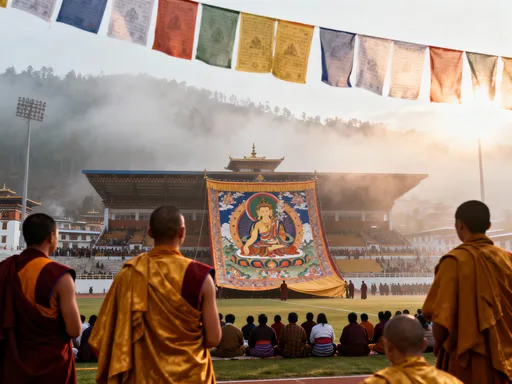
What sets Thimphu’s festivals apart is their authenticity. Unlike performances staged solely for visitors, these ceremonies are first and foremost religious observances. Locals travel from villages across the country, often on foot, to attend. The atmosphere is one of devotion and celebration intertwined. One of the most powerful moments occurs at dawn on the first day, when the giant thongdrel — a massive, intricately embroidered religious tapestry — is unveiled at Changlimithang Stadium. Devotees believe that merely seeing the thongdrel purifies negative karma, making the moment deeply emotional for many. As sunlight touches the silk, prayers rise in unison, and the air hums with collective reverence.
For visitors, especially women in the 30–55 age range seeking meaningful travel experiences, the impact is profound. There’s a sense of witnessing something timeless, where spirituality is not hidden behind temple walls but lived openly in public space. Children laugh between prayer sessions, elders share snacks during dance intermissions, and strangers exchange warm smiles. It’s a rare example of culture preserved not as a museum piece, but as a breathing, evolving tradition. The dances themselves — performed by trained monks and laymen — tell moral tales through rhythm and gesture, offering insight into Bhutanese values like compassion, discipline, and impermanence.
This blend of devotion and daily life creates an emotional resonance that lasts long after the final drumbeat. Many travelers describe feeling a shift in perspective — a quieting of internal noise, a renewed appreciation for simplicity. In a world often driven by speed and consumption, Thimphu’s festivals offer a counter-narrative: one of presence, patience, and shared humanity. They remind us that celebration can be sacred, and that community rituals still hold the power to unite and uplift.
Timing Is Everything: Picking the Right Festival (and Avoiding Crowds)
Planning a trip to Thimphu around festival season requires careful timing and advance preparation. The most renowned event, the Thimphu Tsechu, typically takes place in September according to the lunar calendar, though exact dates vary slightly each year. This timing aligns with the end of the monsoon season, offering clearer skies and comfortable temperatures. While the Tsechu draws the largest crowds, other regional festivals like Paro Tsechu in spring also influence travel patterns, as many tourists combine multiple events into one journey.
Bhutan’s tourism model is built on sustainability and control, which means visitor numbers are regulated. Every traveler must book through a licensed tour operator and pay a daily Sustainable Development Fee, which includes accommodation, meals, transport, and a guide. Due to these restrictions, popular festival periods fill up quickly — often six to eight months in advance. For women planning family trips or group getaways with friends, securing reservations early ensures better lodging options and smoother logistics. Waiting too long can mean missing out entirely or being limited to less convenient accommodations.
While the full energy of peak festival days is unmatched, some travelers may prefer a slightly quieter experience. Shoulder seasons — just before or after the main Tsechu — offer a balance. You’ll still witness key rituals like the thongdrel unveiling and select cham dances, but with fewer international visitors. Additionally, local markets and cultural sites are more accessible without congestion. For those sensitive to large gatherings or physical strain from long days of standing and walking, this approach allows for deeper engagement without overwhelm.
Another consideration is altitude. Thimphu sits at about 2,300 meters (7,500 feet) above sea level, and while most people acclimate well, arriving a day or two early helps prevent fatigue. Combining arrival timing with festival dates ensures you’re physically ready to absorb the experience. Monitoring the official Bhutan Tourism website for annual festival calendars and consulting with experienced operators can further refine your plans. Ultimately, the goal is not just to attend, but to participate mindfully — and that begins with thoughtful scheduling.
How to Get There Without the Stress
Reaching Thimphu requires a combination of air and land travel, but the journey itself becomes part of the experience. All international visitors fly into Paro International Airport, one of the most scenic and challenging landings in the world, nestled in a narrow Himalayan valley. Flights are operated by Druk Air and Bhutan Airlines, with connections from major cities in India, Thailand, Singapore, and Nepal. Booking flights well in advance is essential, especially during festival season, as seats are limited and fill quickly.
From Paro, the overland journey to Thimphu takes approximately 1.5 hours by private vehicle. The road is paved and well-maintained, winding through pine forests and along the Paro Chhu river. Along the way, travelers catch glimpses of traditional farmhouses with whitewashed walls and ornate window frames, as well as small chortens (Buddhist stupas) adorned with prayer flags. Your licensed guide will typically meet you at the airport, assisting with customs and providing cultural context throughout the drive.
Entry into Bhutan requires a visa, which is processed through your tour operator as part of the travel package. Independent travel is not permitted; all visitors must be accompanied by a guide and travel with a pre-approved itinerary. This system supports responsible tourism and helps preserve cultural integrity. The visa application includes submitting passport details and travel insurance information, and processing usually takes five to seven business days once the tour is confirmed.
Choosing the right tour operator makes a significant difference in comfort and authenticity. Look for companies registered with the Tourism Council of Bhutan that specialize in cultural immersion. Reputable operators provide knowledgeable guides fluent in English, arrange reliable transportation, and have established relationships with local communities. They can also help navigate festival etiquette, secure optimal viewing spots, and offer insights into the symbolism behind rituals. For families or small groups of women traveling together, personalized attention and safety are key priorities — and a trusted operator delivers both.
Where to Stay: Comfort Meets Authenticity
Accommodation in Thimphu ranges from luxury lodges to modest guesthouses, all meeting government standards for quality and sustainability. Given the high demand during festival season, booking lodging as part of a comprehensive tour package is strongly advised. This ensures availability and often provides better value than trying to arrange stays independently.
For travelers seeking refined comfort, Amankora Thimphu offers a serene retreat blending modern luxury with Bhutanese design. Set on a forested hillside, the lodge features stone fireplaces, handwoven textiles, and panoramic valley views. While priced at the higher end, it provides exceptional service, private guides, and a peaceful atmosphere ideal for reflection after a day of festival immersion. Another excellent option is Gangtey Lodge, though located outside Thimphu, it’s sometimes included in extended cultural itineraries for those adding a post-festival retreat.
Mid-range hotels like Hotel Druk, Hotel Sinche, and Riverfront Hotel Thimphu offer clean, comfortable rooms with traditional touches such as wooden carvings and Buddhist artwork. These properties are often within walking distance or a short drive from Changlimithang Stadium, the central venue for Tsechu performances. Proximity matters — starting each festival day with a relaxed morning rather than a stressful commute enhances the overall experience significantly.
Guesthouses and family-run inns provide a more intimate glimpse into local life. While amenities may be simpler — think shared bathrooms or limited heating — they offer warmth, hospitality, and authentic interactions. Staying in such places allows guests to chat with hosts, learn about daily routines, and even enjoy home-cooked meals. For women travelers interested in cultural exchange, these settings foster connection in ways luxury hotels sometimes cannot.
Regardless of budget, all accommodations in Bhutan reflect the principle of minimalistic luxury — spaces designed for calm, not excess. Expect low lighting, natural materials, and quiet zones conducive to rest. Electricity and Wi-Fi are generally reliable, though occasional outages occur in remote areas. Embracing this slower pace becomes part of the journey, encouraging disconnection from digital noise and reconnection with the present moment.
What to Wear and Bring (Spoiler: It’s Not Just a Camera)
Dressing appropriately for Thimphu’s festivals shows respect for local customs and ensures personal comfort. Bhutanese culture values modesty, so visitors should wear clothing that covers shoulders and knees. Women often opt for long skirts, tunics, or loose pants paired with lightweight blouses. Layers are essential — mornings can be chilly, especially during dawn ceremonies, while afternoons may warm up under the sun. A warm jacket, scarf, and hat are practical additions, particularly for outdoor events lasting several hours.
The traditional Bhutanese garment, the gho for men and kira for women, is not required for foreigners, but some choose to rent or purchase one as a sign of cultural appreciation. Wearing a kira during the festival can deepen the sense of belonging and often elicits friendly smiles from locals. Many tour operators assist with rentals and provide guidance on proper draping.
When it comes to gear, thoughtful preparation enhances enjoyment. A portable foldable seat or cushion is highly recommended — seating at the stadium is limited, and standing for long periods can be tiring, especially for those with joint sensitivity. Binoculars allow closer viewing of the intricate details in the monks’ masks and costumes, enriching understanding of the dances. A reusable water bottle helps stay hydrated, and a power bank ensures phones remain charged for photos and communication.
Photography is permitted in most areas, but certain moments are strictly off-limits. Flash photography and the use of drones are prohibited during sacred rituals, including the thongdrel unveiling and specific cham dances. These rules are not arbitrary — they protect the sanctity of the ceremony. Respecting them is a sign of mindfulness and earns goodwill from both organizers and participants. Your guide will advise on appropriate times and places for photos, helping you capture memories without disruption.
Other useful items include sunscreen, sunglasses, a small backpack for carrying essentials, and comfortable walking shoes. The terrain around the stadium and nearby markets can be uneven, so stability matters. A journal or notebook also makes a meaningful addition — jotting down impressions, quotes from your guide, or sketches of costumes creates a personal record that lasts far longer than digital files.
Making the Most of Each Festival Day: A Realistic Itinerary
A typical Thimphu Tsechu spans three to five days, each following a structured yet organic rhythm. Understanding the daily flow helps visitors pace themselves and engage more deeply. The first day often begins before sunrise with the grand unveiling of the thongdrel. Arriving early — around 5:30 or 6:00 a.m. — secures a good viewing position. As the massive tapestry is unfurled from the upper balcony of the stadium, a hush falls over the crowd. The image, depicting Guru Rinpoche surrounded by deities, glows in the morning light. This moment is not to be rushed; it’s meant to be absorbed in silence and reverence.
After the unveiling, families gather for breakfast — often packed meals of rice, dried beef, and cheese — shared on blankets or benches. The midday hours bring the main cham dance performances. Each dance has a name and purpose: the Black Hat Dance symbolizes the protection of佛法 (Dharma), while the Ox Dance tells the story of a miraculous statue’s discovery. Monks and lay performers move with precision, their heavy costumes and ornate masks adding to the mystical atmosphere. Children sometimes join in playful reenactments, adding a lighthearted touch.
Respectful observation means minimizing noise during sacred segments, refraining from walking in front of dancers, and following your guide’s cues. Many find it helpful to listen to explanations beforehand so they understand what they’re seeing. Rather than treating it like a show, approach it as a spiritual offering — one you’re privileged to witness.
Evenings offer a different kind of energy. The streets around the stadium buzz with food stalls selling ema datshi (chili and cheese), momos (dumplings), and butter tea. Locals mingle, musicians play traditional instruments, and the mood turns celebratory. This is a great time to step back from the stadium and engage informally — perhaps sipping ara, a mildly alcoholic homemade drink, with a local family (if invited). These offsite interactions often become the most cherished memories.
Behind-the-scenes moments also hold magic. Some tours arrange visits to monastic schools where young monks rehearse their dances. Watching them practice — serious yet occasionally giggling — reveals the dedication behind the performance. Similarly, seeing artisans care for the thongdrel or prepare ritual objects adds layers of appreciation. These glimpses into preparation underscore that the festival is not a performance for outsiders, but a deeply rooted tradition maintained with care and devotion.
Beyond the Festival: Deepening Your Bhutan Experience
While the festival is the centerpiece, extending your stay allows for a fuller understanding of Bhutan’s culture and landscape. One of the most iconic post-festival visits is the Buddha Dordenma statue, a 54-meter-tall gilded figure seated atop a hill overlooking Thimphu. Housing over 100,000 smaller Buddha statues within its structure, it’s both an architectural marvel and a place of quiet contemplation. The walk up offers panoramic views and a chance to see devotees circumambulating the base in prayer.
The Folk Heritage Museum provides insight into traditional Bhutanese life. Housed in a restored 19th-century farmhouse, it displays tools, textiles, and household items used in rural homes. Exhibits on farming, cooking, and weaving illustrate how culture is woven into everyday acts. For women interested in heritage and domestic traditions, this museum offers a touching connection to the lives of Bhutanese mothers, grandmothers, and artisans.
Local markets, such as the Centenary Farmers Market, are vibrant hubs of daily life. Stalls overflow with fresh produce, handwoven baskets, and handmade crafts. Engaging with vendors — even with limited language — fosters warm exchanges. Look for saffron, honey, and intricately patterned textiles as meaningful souvenirs. Buying directly supports local livelihoods and preserves artisanal skills.
Nearby hikes lead to quiet monasteries like Cheri Mountain Goemba, accessible via a moderate two-hour trek. The path winds through rhododendron forests and prayer flag lines, ending at a peaceful monastery where meditation can be practiced in stillness. These quieter experiences balance the festival’s intensity, offering space for reflection.
Central to all these experiences is driglam namzha, Bhutan’s code of etiquette emphasizing respect, harmony, and mindfulness. It governs everything from dress to speech to behavior in sacred spaces. By embracing its principles — moving slowly, speaking gently, listening deeply — travelers align with Bhutan’s rhythm. This isn’t just tourism; it’s transformation through immersion.
Conclusion
Festivals in Thimphu aren’t just events — they’re invitations to witness a culture rooted in mindfulness and joy. With thoughtful planning, you don’t just see the dances; you feel their meaning. This is travel that changes how you see the world — quiet, intentional, and absolutely unforgettable. For women seeking connection, authenticity, and inspiration, Bhutan’s festival season offers a rare gift: the chance to step outside the ordinary and into a living tradition where spirituality, community, and beauty move in harmony. Let the chants linger in your heart, the colors brighten your memory, and the silence between drumbeats remind you of what truly matters.