You Won’t Believe What Dhaka’s Street Food Scene Just Did to Me
Dhaka doesn’t just feed you — it overwhelms you in the best way possible. I came for the culture, but stayed for the food that hits like a flavor bomb. From sizzling fuchka stands to midnight biryani runs, every bite tells a story. This isn’t just dining — it’s survival, rhythm, and joy on a plate. If you think you know Bangladeshi food, trust me, you’ve only scratched the surface. The city pulses with a culinary heartbeat that echoes through narrow alleyways, bustling markets, and quiet neighborhood corners where generations gather around shared meals. In Dhaka, food is not a luxury; it is life itself, woven into the daily rhythm of work, prayer, and family. To eat here is to understand resilience, tradition, and the quiet pride of a people who have turned simple ingredients into unforgettable experiences.
The Rhythm of Dhaka’s Streets – Where Food Lives
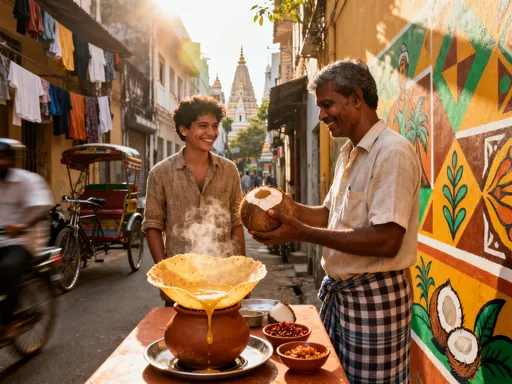
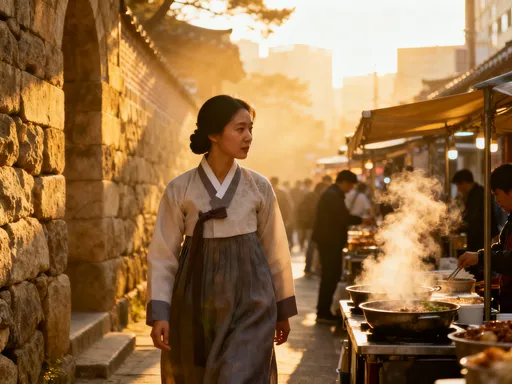
Dhaka’s energy is relentless, a symphony of honking rickshaws, chattering pedestrians, and the constant hum of life moving at full speed. Yet within this chaos lies an extraordinary order — one dictated by mealtimes. The city breathes in cycles of hunger and satisfaction, and its streets transform into open-air dining halls as the sun rises and sets. In Old Dhaka, where centuries-old buildings lean close like old friends whispering secrets, food isn’t served behind glass counters or polished menus — it’s shouted from carts, sizzled over charcoal fires, and handed out with practiced hands that know exactly how much spice each customer can take. This is not street food as an afterthought; it is the centerpiece of daily existence.
The sensory experience begins long before you reach your destination. Aromas drift through the air — cumin roasting, onions caramelizing, lentils simmering with turmeric and ginger. Smoke curls from grills where kebabs turn golden-brown, and the tangy splash of tamarind water being poured into hollow puris cuts through the humidity. Vendors call out their specialties in rhythmic chants: “Biriyani garam! Garam biriyani!” or “Cha, cha garam cha!” Their voices blend into the urban soundtrack, guiding hungry souls like lighthouses in a storm. It’s easy to feel overwhelmed, but that’s part of the magic — Dhaka doesn’t ask you to slow down. It invites you to move with it, to trust the flow, and to find nourishment in the midst of motion.
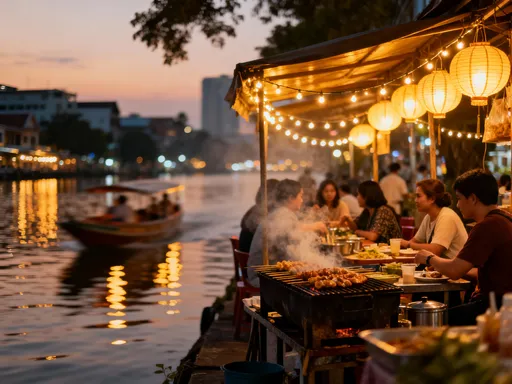
Mealtimes here are synchronized with the city’s pulse. At dawn, men gather around tea stalls, cradling small glasses of milky, spiced chai as they discuss politics, cricket, or family matters. These early gatherings are more than caffeine breaks — they are rituals of connection. By mid-morning, breakfast vendors serve parathas stuffed with spiced potatoes or minced meat, often eaten standing up between errands. Lunchtime brings steaming plates of rice, dal, and seasonal vegetables to office workers who crowd pavement-side tables. And when night falls, the real feast begins. Streets that were quiet during the afternoon heat come alive again, lit by flickering lanterns and the glow of mobile phones as families, students, and laborers seek out their favorite late-night bites. Eating in Dhaka is not confined to mealtimes; it is a continuous act of living.
What makes street-side dining the gold standard here isn’t just convenience — it’s authenticity. These vendors often come from families who have perfected their recipes over decades. A single fuchka seller may have learned the craft from his father, who learned it from his. There’s a deep respect for technique, balance, and consistency. Unlike commercial restaurants that sometimes prioritize presentation over taste, street food thrives on honesty. You get what you see — no frills, no pretense, just bold flavors delivered fast and fresh. For many locals, eating at home is reserved for special occasions; the street is where they truly dine. And for visitors willing to embrace the rhythm, it offers an unfiltered glimpse into the soul of the city.
Fuchka Over Everything: The Crown Jewel of Street Bites
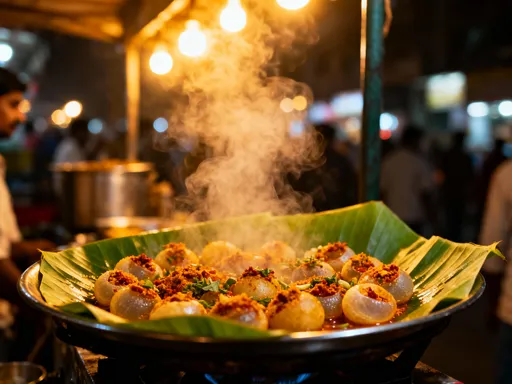
If there’s one dish that captures the spirit of Dhaka’s street food culture, it’s fuchka. Known across South Asia by various names — golgappa in India, pani puri in restaurants abroad — Dhaka’s version stands apart in both flavor and experience. It’s not merely a snack; it’s a moment of pure sensory explosion. Imagine biting into a crisp, hollow fried shell filled with a mix of spiced mashed potatoes, chickpeas, and a secret blend of herbs, then flooded with a sharp, sweet-and-sour tamarind water that makes your eyes widen and your forehead glisten with sweat. That’s fuchka. That’s Dhaka.
The scene at a popular fuchka stall near New Market is nothing short of electric. Dozens of people line up, folding rupees in their hands, watching intently as the vendor works with the precision of a surgeon. With one hand, he cracks open the puri; with the other, he stuffs it quickly, then dips it into the chilled pani before handing it over in a single fluid motion. There’s no time to hesitate — you must eat it in one bite, or risk the flavorful flood spilling onto your clothes. The crunch comes first, followed instantly by the tangy rush of the spiced water, then the earthy depth of the filling. Within seconds, your mouth is alive with contrasts: hot and cold, sweet and spicy, soft and crunchy. It’s exhilarating, messy, and utterly addictive.
What sets Dhaka’s fuchka apart is its balance — a carefully calibrated blend of heat, acidity, and sweetness that varies subtly from vendor to vendor. Some use a darker, more concentrated tamarind base; others add green chili water for an extra kick. The filling is typically spicier than versions found elsewhere, reflecting local taste preferences. And unlike commercial renditions that sometimes skimp on freshness, Dhaka’s best stalls prepare everything daily — the pani chilled overnight, the puris fried in batches to maintain crispness. Locals don’t just eat fuchka; they have favorites, routines, even debates about which corner has the best batch. For many, it’s a daily ritual — a quick pause in the day to reconnect with flavor and community.
The popularity of fuchka also speaks to a broader truth about Dhaka’s food culture: joy is found in simplicity. You don’t need a table, a menu, or a reservation. All you need is a few coins, an open mind, and the willingness to stand shoulder-to-shoulder with strangers, all sharing the same burst of flavor. It’s democratic, inclusive, and deeply satisfying. In a city where life moves fast and space is limited, fuchka offers a perfect microcosm of pleasure — intense, fleeting, and worth every second.
From Home Kitchens to Hidden Eateries – The Rise of Homestyle Dining
Beyond the bustling street carts and neon-lit restaurants, a quieter culinary movement is gaining ground in Dhaka: the rise of home cafes. These are not fancy establishments with curated interiors or celebrity chefs. Instead, they are humble, often unmarked spaces — sometimes just a converted living room or a backyard shed — where families serve traditional meals rooted in generations of home cooking. Found in neighborhoods like Dhanmondi, Mohammadpur, and Banani, these eateries offer something increasingly rare in modern cities: authenticity without pretense.
One such place, tucked away in a quiet lane in Dhanmondi, opens only for lunch and serves meals on steel thalis — round trays divided into small bowls for rice, dal, curry, and side dishes. There’s no printed menu; instead, the hostess explains today’s offerings with a warm smile. Perhaps it’s shorshe ilish, the national dish of Bangladesh, featuring tender hilsa fish bathed in a pungent mustard sauce that carries the sharp aroma of crushed nigella seeds and green chilies. Or maybe it’s bori bhaji, a humble yet deeply flavorful dish made with sun-dried lentil dumplings stir-fried with onions and spices. Every item on the table has been prepared from scratch, using recipes passed down from grandmothers who cooked over wood fires.
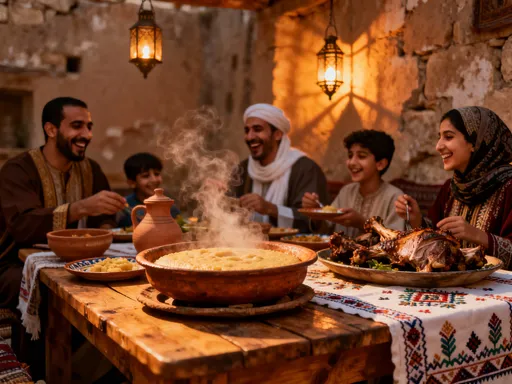
What makes these home cafes special is not just the food — though that alone is reason enough to visit — but the atmosphere. Guests sit on floor cushions or simple chairs, often sharing tables with neighbors or curious travelers. Conversations flow easily, and questions about ingredients are welcomed. Some hosts even invite diners into the kitchen to see how dishes are prepared, turning the meal into a shared experience rather than a transaction. In a world where dining has become increasingly commercialized, these spaces preserve the essence of hospitality: warmth, generosity, and connection.
For many women who run these cafes, this is more than a business — it’s a way to honor their heritage while contributing to the household income. Often started as a small venture to share family recipes with friends, these kitchens have grown into beloved local institutions. They don’t advertise online or seek media attention; their reputation spreads through word of mouth, much like the recipes themselves. And while they may lack the polish of high-end restaurants, they offer something far more valuable: a taste of home, even if you’ve never lived here.
Biryani Battles: Finding the Real Deal After Dark
In Dhaka, biryani is not just a dish — it’s a late-night obsession, a communal ritual, and a point of pride. When the clocks strike nine or ten, long after most cities have quieted down, Dhaka’s biryani spots begin to buzz. Office workers, taxi drivers, students pulling all-nighters, and families out for a treat all converge on their favorite stalls, drawn by the promise of fragrant rice, tender meat, and the irresistible crunch of birista — golden-brown fried onions that crown the dish like edible confetti. To eat biryani in Dhaka is to participate in a nightly celebration of flavor and fellowship.
The Bangladeshi style of biryani differs significantly from its Hyderabadi cousin, which tends to be more aromatic and delicately spiced. Dhaka’s version is bolder, heartier, and unapologetically rich. Layers of marinated meat — usually chicken or mutton — are sealed with partially cooked rice and slow-cooked using the dum method, where the pot is covered with dough to trap steam and infuse the grains with meaty essence. The result is a dish where every grain of rice is distinct yet deeply flavored, moist but never soggy, and infused with the warmth of cardamom, cinnamon, and bay leaves. The birista, fried slowly until caramelized and crisp, adds a sweet-savory contrast that elevates the entire plate.
A visit to a popular biryani spot in Gulshan reveals the democratic nature of this meal. Here, a corporate executive in a suit stands next to a rickshaw puller in a cotton shirt, both waiting patiently for their takeaway packets. There’s no judgment, no hierarchy — only a shared anticipation. The server ladles the biryani with care, ensuring each portion gets a generous helping of meat and those precious crispy onions. Some customers add a side of borhani, a cooling yogurt-based drink flavored with mint and black salt, to balance the richness. Others prefer a simple salad of cucumber and onion. However it’s served, the biryani disappears quickly — eaten in cars, on park benches, or brought home to be shared with waiting family members.
For many locals, the search for the “real” biryani is ongoing, a friendly debate passed from generation to generation. Some swear by the versions in Old Dhaka, where centuries-old recipes are guarded like family heirlooms. Others prefer the modern takes in upscale neighborhoods, where hygiene standards are higher and portions more consistent. But regardless of preference, one thing is certain: biryani in Dhaka is more than sustenance. It’s comfort, celebration, and tradition, all served in a disposable plate.
Sweet Endings: Where Milk, Fire, and Sugar Collide
No meal in Dhaka is truly complete without mishti — the beloved category of Bengali sweets that ranges from syrup-soaked balls to creamy fudge-like confections. While the savory dishes grab headlines, it is the desserts that often carry the deepest cultural meaning. Roshogolla, the spongy cheese dumplings soaked in light sugar syrup, is perhaps the most iconic. Its origins may be debated between Bangladesh and West Bengal, but in Dhaka, it is claimed with quiet pride. Kalojam, a darker, richer cousin made with caramelized milk solids, is another favorite — dense, fragrant, and almost pudding-like in texture.
A visit to a legendary sweet shop in Lalbagh offers a glimpse into the artistry behind these treats. Inside, large cauldrons bubble with milk reduction, watched carefully by artisans who stir for hours to prevent burning. The air is thick with the scent of caramelized sugar and cardamom. Workers shape roshogollas by hand, dipping them into boiling syrup and letting them cool in trays. The process is labor-intensive, requiring patience and precision, but the result is timeless. Generations of families come here after dinner, buying packets of sweets to share or take home. During festivals like Eid or Pohela Boishakh, the lines stretch around the block, and shops prepare thousands of pieces in advance.
What makes mishti special is not just its taste, but its role in daily life. These sweets are served at weddings, offered to guests as a sign of respect, and shared during religious celebrations. They represent generosity, joy, and continuity. Even in modern cafes, where fusion desserts like roshogolla cheesecake or kalojam tiramisu are emerging, the traditional versions remain irreplaceable. They are the taste of childhood, of home, of belonging. For visitors, trying mishti is not just a culinary experience — it’s an emotional one.
Navigating the Feast – Practical Tips for Food-Curious Travelers
For travelers eager to explore Dhaka’s vibrant food scene, a few practical tips can make the journey safer and more enjoyable. First, timing matters. Avoid eating during peak midday heat, when food left out in the sun can spoil quickly. Early evening or late night are often the best times to experience street food at its liveliest and freshest. Carry small bills, tissues, and hand sanitizer — many stalls don’t provide napkins, and clean water for washing hands may not always be available.
When ordering, don’t hesitate to ask about spice levels. While many dishes are inherently hot, vendors can often adjust the heat upon request. If you’re vegetarian, options are more limited but not impossible to find — look for stalls specializing in aloo (potato) or chana (chickpea) dishes, or visit home cafes where meals are clearly labeled. Using ride-sharing apps like Pathao or Uber can help you reach offbeat spots safely, especially at night. These services are widely used and reliable, offering a comfortable alternative to crowded public transport.
Respect goes a long way. Always ask before photographing vendors or customers — a smile and a quick gesture can go a long way in building trust. When eating with your hands, use your right hand, as the left is traditionally considered unclean. And remember: patience is part of the experience. Lines may be long, service may be slow, but rushing through Dhaka’s food culture defeats the purpose. This is not fast food — it’s real food, made with care, meant to be savored.
Why Dhaka’s Dining Scene Is a Silent Cultural Revolution
Beneath the sizzle of grills and the clatter of steel plates lies something deeper — a quiet resistance to cultural homogenization. In a world where global chains and standardized menus threaten to erase local flavors, Dhaka’s food scene stands as a defiant celebration of identity. Every bite of fuchka, every spoonful of shorshe ilish, every piece of roshogolla is a declaration of continuity. These dishes are not trends; they are heirlooms, passed down through generations, adapted but never diluted.
More than that, food in Dhaka builds community. It brings together people of different classes, professions, and backgrounds around a shared table — whether that table is made of wood, plastic, or simply a piece of newspaper on the ground. It fosters conversation, connection, and mutual respect. In a city often portrayed through the lens of overcrowding or poverty, its culinary culture reveals a different truth: one of creativity, resilience, and profound joy.
For travelers, the lesson is clear. To understand Dhaka, don’t just visit its monuments or museums. Walk its streets at dusk, follow the scent of spices, and let the city feed you. Sit beside a rickshaw driver as he enjoys his biryani, or share a plate of fuchka with students laughing after class. Let the flavors surprise you, challenge you, comfort you. Because the real soul of Dhaka isn’t preserved behind glass — it’s served hot, fresh, and with a smile, on a banana leaf, wrapped in paper, or balanced on a street cart. And once you’ve tasted it, you’ll never forget it.