Blue City Dreams: Why Jodhpur’s Architecture Is Taking Over Your Feed
Wander through Jodhpur, and you’ll understand why this Indian gem is exploding online—its skyline painted in endless shades of blue, cascading down ancient hills like a dream. The architecture here isn’t just beautiful; it’s storytelling in sandstone and stucco. From Mehrangarh Fort’s towering grandeur to hidden havelis with intricate carvings, every corner whispers history. This is more than sightseeing—it’s a visual journey into Rajasthan’s soul. More than a backdrop for photographs, Jodhpur’s buildings form a living tapestry of culture, climate wisdom, and community pride. As travelers seek destinations that feel authentic and awe-inspiring, this desert city delivers both in abundance.
The First Glimpse: Arriving in Jodhpur and Seeing the Blue Horizon
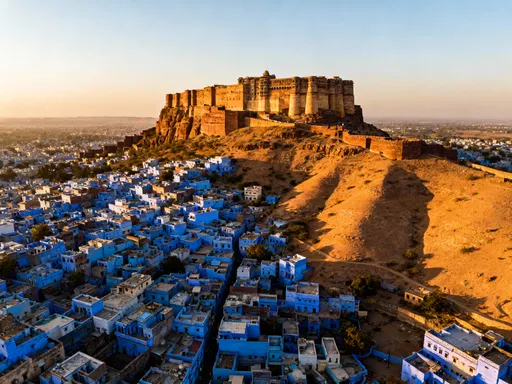
For many visitors, the first sight of Jodhpur is nothing short of magical. As the city rises from the arid Thar Desert, a vast expanse of indigo-tinted homes spills across the slopes beneath the imposing Mehrangarh Fort. This sea of blue, best viewed from vantage points such as Mandore Gardens or Choki Dhani on the outskirts, creates an instant emotional impact. The contrast between the warm golden earth and the cool, shimmering blue rooftops feels almost surreal—like stepping into a watercolor painting come to life. It’s no surprise that this panoramic view has become a favorite among photographers and social media travelers alike.
The tradition of painting homes blue in Jodhpur dates back centuries and carries both practical and cultural significance. Historically, the color was associated with the Brahmin caste, one of the highest social groups in the traditional Hindu hierarchy. Brahmins painted their houses blue to distinguish them from others, and over time, the practice spread throughout the old city. The pigment used was derived from limestone mixed with natural indigo, making it durable and relatively affordable. While caste-based distinctions are no longer emphasized, the visual identity remains a point of local pride.
Beyond symbolism, the blue paint serves functional purposes well-suited to the region’s harsh climate. The light-reflective properties of the color help reduce indoor temperatures, offering passive cooling in a city where summer temperatures often exceed 40°C (104°F). Additionally, the lime-based plaster used in the paint acts as a natural insect repellent, particularly effective against termites—a common threat in wooden structures. These practical benefits, combined with the striking aesthetic, have made the blue hue not just a tradition but a smart building choice.
This unique visual identity has played a significant role in Jodhpur’s rise as a global travel destination. In the age of Instagram and visual storytelling, few cities offer such immediate recognition. A single image of the blue city against a clear desert sky can evoke wonder and curiosity, prompting thousands to add Jodhpur to their travel lists. The color itself has become a brand—an emblem of serenity, heritage, and artistic expression. As digital content continues to shape travel trends, Jodhpur stands out as a place where authenticity and beauty converge naturally.
Mehrangarh Fort: Where Power Meets Precision in Stone
Rising 400 feet above the city on a rocky hilltop, Mehrangarh Fort is the crown jewel of Jodhpur’s architectural landscape. Its massive sandstone walls, some over 36 meters high, seem to grow organically from the cliffside, creating an imposing silhouette that dominates the skyline. Built in the 15th century by Rao Jodha, the founder of Jodhpur, the fort has withstood sieges, invasions, and the passage of time, emerging today as one of India’s best-preserved royal fortresses. For visitors, entering through its seven fortified gates—each designed to slow down attackers—feels like stepping into a living chronicle of Rajput valor and ingenuity.
The architecture of Mehrangarh reflects a masterful fusion of military strategy and artistic refinement. The fort’s layout includes expansive courtyards, ceremonial halls, and intricately decorated palaces, each serving both functional and symbolic roles. Moti Mahal, or the Pearl Palace, once hosted royal audiences and now houses a museum displaying arms, paintings, and royal attire. Phool Mahal, the Flower Palace, features mirrored ceilings and delicate gold leaf work, illustrating the luxurious lifestyle of the rulers. Sheesh Mahal, known for its mirror inlays, uses reflective surfaces to amplify candlelight—an elegant solution before electricity.
One of the most distinctive elements of Mehrangarh’s design is the extensive use of jali, or latticed stone screens. These perforated windows allowed royal women to observe public events without being seen, adhering to traditions of privacy while maintaining connection with the outside world. The craftsmanship involved in carving these intricate patterns by hand speaks to the high level of skill possessed by local artisans. Equally impressive is the fort’s climate-responsive engineering: thick walls, shaded verandas, and strategically placed ventilation shafts help maintain comfortable interior temperatures despite the desert heat.
Today, Mehrangarh Fort is more than a historical monument—it is a cultural hub that draws historians, architects, and photographers from around the world. Its preservation has been supported by the Jodhpur Royal Family through the Mehrangarh Museum Trust, which funds restoration projects and educational programs. Special events such as the Rajasthan International Folk Festival bring music and performance into the fort’s courtyards, blending past and present in a vibrant celebration of heritage. For travelers, a visit here is not just about seeing ancient walls but experiencing the enduring spirit of a people who value beauty, strength, and tradition in equal measure.
Urban Texture: Walking Through the Old City’s Lanes
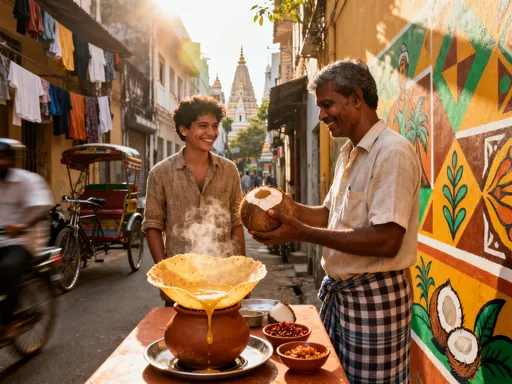
To truly understand Jodhpur’s architectural soul, one must walk its narrow, winding lanes within the walled city. Here, beneath the shadow of Mehrangarh Fort, life unfolds in a rhythm unchanged for generations. The streets are intimate and human-scaled—just wide enough for a bicycle or a small cart—lined with blue-washed houses adorned with carved wooden doors, latticed jharokha windows, and terracotta-tiled rooftops. Each home, though modest in size, carries its own character, often marked by floral motifs, religious symbols, or freshly painted borders in white or yellow.
The design of these homes reflects centuries of adaptation to the desert environment. Thick walls made of sandstone or mud brick provide natural insulation, keeping interiors cool during the day and warm at night. Many houses follow an inward-facing layout, with rooms opening onto a central courtyard. This design promotes airflow through cross-ventilation while ensuring privacy—a crucial consideration in close-knit communities. Rooftop terraces serve as outdoor living spaces, where families gather in the evenings to escape the heat, dry spices, or simply enjoy the breeze.
Despite modern pressures, much of the old city retains its original fabric. Residents continue to maintain their homes using traditional materials such as lime plaster, which allows walls to “breathe” and resist moisture damage. The blue paint is regularly reapplied, not out of obligation but out of pride. Children play in the alleys, shopkeepers call out from spice stalls, and the scent of cumin and turmeric fills the air—this is not a museum piece but a living, breathing urban ecosystem.
Walking through these lanes offers a rare opportunity to experience architecture as part of daily life. Unlike curated heritage sites, the old city reveals how design and culture are intertwined. A beautifully carved door isn’t merely decorative—it signifies the family’s status and devotion. A small shrine embedded in a wall marks a shared spiritual space. Even the placement of windows considers both light and modesty. For visitors, this authenticity is deeply moving. It invites not just observation but connection—a reminder that great architecture serves people first, aesthetics second.
Havelis and Heritage: The Forgotten Mansions of Wealthy Merchants
Scattered throughout Jodhpur are elegant mansions known as havelis—once the residences of wealthy merchants, nobles, and royal associates. These grand homes, built primarily during the 18th and 19th centuries, showcase a blend of Rajput, Mughal, and European architectural influences. Constructed from sandstone and marble, they feature ornate facades, courtyards with fountains, and walls covered in frescoes depicting mythological scenes, floral patterns, and courtly life. Though many have fallen into disrepair, those that remain stand as testaments to a golden age of craftsmanship and prosperity.
One of the most notable examples is Jaswant Thada, a white marble memorial built in the late 19th century in honor of Maharaja Jaswant Singh II. Unlike typical havelis, it functions as a cenotaph but shares their architectural elegance. Delicately carved with floral motifs and semi-precious stones, it glows softly in sunlight and is surrounded by gardens and reflective pools. The structure exemplifies the Rajput love for symmetry, lightness, and spiritual symbolism. Nearby, the Sardar Government Museum, housed in a former haveli, preserves artifacts and paintings that further illustrate the region’s artistic legacy.
Another architectural highlight is Umaid Bhawan Palace, one of the world’s largest private residences. Built in the 1930s using Chittar sandstone, it combines Indo-Saracenic, Art Deco, and European styles. Designed by British architect Henry Vaughan Lanchester, the palace features domes, arches, and expansive lawns, blending modern comforts with traditional grandeur. Today, part of the palace operates as a luxury heritage hotel, while another section serves as a museum, and the royal family still occupies a private wing. This adaptive reuse model has helped preserve the building while allowing public access.
Efforts to restore and repurpose historic havelis are growing across Jodhpur. Some have been converted into boutique hotels, cafes, or cultural centers, breathing new life into aging structures. These projects often involve local artisans who use traditional techniques to repair carvings, repaint frescoes, and restore wooden beams. By supporting such initiatives, travelers contribute to sustainable preservation. More importantly, these revitalized spaces keep the city’s architectural heritage visible and relevant, ensuring that future generations can appreciate the artistry of the past.
Living Architecture: How Tradition Shapes Modern Jodhpur
While Jodhpur is celebrated for its historic buildings, its architectural identity continues to evolve in ways that honor tradition. In certain zones of the city, local building codes encourage or require new constructions to feature blue exteriors, maintaining visual continuity with the old city. This policy, though not universally enforced, reflects a collective desire to preserve the city’s unique character. Developers and homeowners often choose lime plaster over cement, recognizing its durability, breathability, and environmental benefits. Even modern homes incorporate traditional elements such as jharokhas, courtyards, and shaded balconies.
The influence of climate-responsive design remains strong. Passive cooling techniques—thick walls, high ceilings, and strategic window placement—are still effective and widely used. Rainwater harvesting, once a necessity in a water-scarce region, is being revived in both old and new buildings as part of sustainable urban planning. Solar panels are increasingly integrated into rooftops, often discreetly installed to avoid disrupting the skyline. These adaptations show that Jodhpur’s architecture is not frozen in time but dynamically responding to contemporary needs.
Community involvement plays a crucial role in maintaining architectural integrity. Neighborhood associations often organize painting drives, where residents collectively refresh the blue facades of their homes. Local schools teach children about the history and significance of the city’s buildings, fostering intergenerational pride. Artisans continue to pass down skills in stone carving, woodwork, and fresco painting, ensuring that traditional craftsmanship survives in an age of mass production.
This deep-rooted respect for heritage sets Jodhpur apart from cities that sacrifice identity for modernization. Rather than replacing the old with the new, Jodhpur integrates both, creating a layered urban landscape where every building tells a story. For residents, architecture is not just about shelter—it is a source of identity, memory, and belonging. This emotional connection is palpable to visitors, making the city feel not only beautiful but profoundly human.
Photography & Virality: Why Jodhpur’s Aesthetics Dominate Social Media
In the digital era, Jodhpur has emerged as one of India’s most photogenic cities, capturing the imagination of travelers and content creators worldwide. The city’s strong visual contrasts—blue walls against golden stone, shadow and light in narrow alleys, the fort silhouetted at sunset—create naturally compelling compositions. Golden hour, when the sun casts a warm glow over the blue rooftops, is particularly popular among photographers. The interplay of color, texture, and geometry makes even simple snapshots feel artistic.
Certain locations have become iconic due to their frequent appearance online. The area around the Clock Tower and Sardar Market is a hotspot for street photography, where vibrant textiles, spice stacks, and bustling crowds add energy to images of blue homes. The view of the old city from Toorji Ka Jhalra, a restored stepwell, offers a picturesque perspective with hanging laundry and flower pots adding everyday charm. Meanwhile, the ramparts of Mehrangarh Fort provide panoramic shots that have been shared millions of times across platforms like Instagram, Pinterest, and travel blogs.
Influencers and travel bloggers have played a significant role in amplifying Jodhpur’s global appeal. Their curated content—featuring styled portraits against blue walls, drone footage of the fort, and behind-the-scenes glimpses of haveli stays—has turned architectural details into aspirational imagery. Hashtags like #BlueCityJodhpur and #MehrangarhFort generate thousands of posts monthly, creating a digital ecosystem that reinforces the city’s visual identity.
While this visibility brings tourism and economic benefits, it also raises questions about authenticity and respect. Some residents have expressed concern about intrusive photography, especially when tourists enter private spaces or disrupt daily life for the sake of a perfect shot. Responsible travel advocates emphasize the importance of asking permission, avoiding staged disruptions, and engaging with the community beyond the lens. When done thoughtfully, photography can be a powerful tool for appreciation and preservation, helping to share Jodhpur’s story with the world without compromising its soul.
Traveler’s Guide: Experiencing Jodhpur’s Architecture Responsibly
For those planning a visit, timing and approach can greatly enhance the experience of Jodhpur’s architecture. The best months to travel are between October and March, when temperatures are mild and the skies are clear. Early mornings offer soft light and fewer crowds, ideal for exploring the old city and capturing photographs without intrusion. Late afternoons provide dramatic lighting for fort views and market scenes. Booking a guided walking tour with a local expert not only ensures deeper understanding but also supports community-based tourism initiatives.
When photographing homes and streets, it is essential to be respectful. Always ask permission before taking pictures of people or private residences. Avoid blocking pathways or knocking on doors solely for photo opportunities. Many families welcome polite interaction—sharing a cup of chai or learning a few words in Marwari can lead to meaningful exchanges and authentic moments. Some heritage organizations offer homestays or craft workshops, allowing visitors to engage more deeply with local life.
Supporting local businesses—whether buying textiles from a family-run shop, dining at a traditional thali restaurant, or hiring a resident guide—helps sustain the community that maintains this architectural heritage. Opting for eco-friendly accommodations and minimizing plastic use also aligns with the city’s growing sustainability efforts. By traveling mindfully, visitors contribute to the long-term preservation of Jodhpur’s beauty.
Jodhpur’s architecture is more than a collection of buildings—it is a living expression of history, culture, and resilience. From the grandeur of Mehrangarh Fort to the quiet dignity of a blue-painted doorway, every structure invites reflection and connection. As the world becomes increasingly digital, places like Jodhpur remind us of the enduring power of physical spaces to inspire, comfort, and unite. To walk its streets is to participate in a story centuries in the making—one that continues to evolve, one stone, one brushstroke, one shared moment at a time.