You Gotta See This: Tokyo’s Shopping Scene Will Blow Your Mind
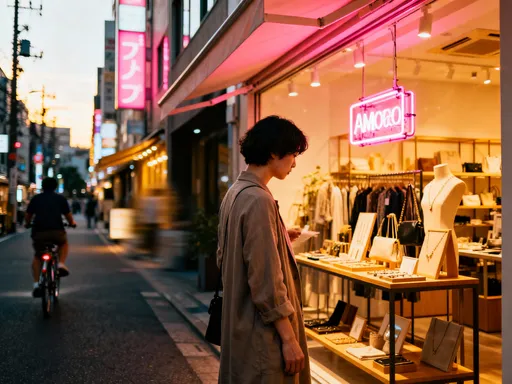
Tokyo isn’t just a city—it’s a shopping universe. From neon-lit department stores in Shibuya to quiet, curated boutiques in Daikanyama, every corner offers something unexpected. I’ve wandered through markets, scanned price tags in Akihabara, and stumbled upon hidden arcades filled with vintage treasures. Whether you're hunting for the latest fashion or handmade ceramics, Tokyo delivers. This is more than retail—it’s a cultural experience. Let me show you how to shop like you truly *get* the city.
Why Tokyo Is a Shopper’s Paradise
Tokyo stands apart as one of the world’s most dynamic shopping destinations, where tradition meets innovation in a way found nowhere else. It's not just the sheer volume of stores that impresses—it's the thoughtfulness behind each experience. In Tokyo, shopping is treated as an art form, shaped by precision, seasonal rhythms, and deep respect for craftsmanship. Whether browsing a high-end department store or a small neighborhood shop, visitors encounter displays that feel more like museum exhibits than retail spaces. The attention to detail—from the way a scarf is folded to how tea is presented during a tasting—elevates every interaction into something meaningful.
What truly defines Tokyo’s retail culture is its seamless blend of old and new. You can find centuries-old ceramic studios in Asakusa operating alongside futuristic fashion boutiques in Harajuku. This coexistence isn’t accidental; it reflects a broader cultural value placed on both heritage and progress. Shoppers benefit from this duality, gaining access to products that are simultaneously timeless and cutting-edge. For example, traditional washi paper goods are now reimagined into modern stationery sets, while kimono fabrics inspire contemporary streetwear lines. This constant dialogue between past and present keeps Tokyo’s shopping scene fresh and endlessly inspiring.
Another hallmark of Tokyo’s retail excellence is the level of service. Staff are trained to observe rather than intrude, offering assistance only when needed, yet always with warmth and professionalism. There’s no pressure to buy—just a quiet invitation to explore. Many stores even provide personalized wrapping, using elegant paper and intricate knotting techniques that turn a simple purchase into a gift-worthy moment. This dedication to quality and care extends beyond luxury brands; even in convenience stores, products are arranged with intention, and food items are labeled with freshness dates down to the hour.
Districts like Ginza and Harajuku have become global symbols of Tokyo’s evolving style. Ginza, long associated with elegance and affluence, houses flagship stores for international luxury brands as well as iconic Japanese department stores like Mitsukoshi and Wako. Its wide avenues and refined atmosphere make it ideal for those seeking a more formal shopping experience. Meanwhile, Harajuku pulses with youthful energy, where fashion is a form of self-expression and trends emerge organically from the streets. Walking through these neighborhoods, you don’t just see what people are buying—you witness how identity and creativity are woven into everyday consumer culture.
Decoding District Vibes: Where to Go for What You Love
Understanding Tokyo’s shopping districts is key to making the most of your time. Each area has its own personality, shaped by history, demographics, and local tastes. By aligning your interests with the right neighborhood, you can create a more focused and rewarding experience. For instance, if you're drawn to bold fashion statements and youth-driven trends, Shibuya is the place to start. Known for its famous scramble crossing and vibrant street culture, Shibuya offers everything from global fast-fashion chains to independent designers showcasing limited-run collections. Tower Records and Shibuya 109 are landmarks here, drawing crowds not just for their products but for the cultural energy they represent.
Shinjuku, another major hub, stands out for its sheer diversity and scale. It caters to all kinds of shoppers, whether you’re looking for electronics, cosmetics, books, or specialty kitchenware. The east side of the station tends to be more lively, with bustling markets and nightlife-oriented shopping, while the west side features sleek skyscrapers and upscale malls like Takashimaya and Isetan. One of the joys of Shinjuku is the contrast—within a few blocks, you can move from a multi-level department store to a narrow alley packed with tiny shops selling everything from vintage watches to handmade incense. This mix makes Shinjuku ideal for those who enjoy discovery and spontaneity.
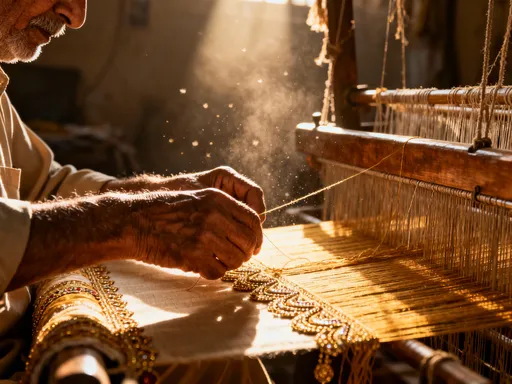
For travelers interested in traditional Japanese crafts, Asakusa offers a more nostalgic and authentic shopping experience. Centered around Senso-ji Temple, the area is lined with souvenir shops and small workshops offering hand-painted fans, wooden geta sandals, and intricately dyed tenugui towels. Many vendors have been in business for generations, and some still use techniques passed down through families. You’ll also find stores specializing in washi paper products, lacquerware, and ceramics—perfect for meaningful gifts or personal keepsakes. Unlike the fast pace of central Tokyo, Asakusa invites slower exploration, allowing you to appreciate the skill behind each item.
Omotesando, often called Tokyo’s Champs-Élysées, blends luxury retail with striking architecture. Lined with designer boutiques from brands like Dior, Louis Vuitton, and Issey Miyake, the avenue also features innovative building designs by renowned architects such as Tadao Ando and Herzog & de Meuron. But Omotesando isn’t just about high fashion—it’s a place to experience how space, light, and design come together to shape the act of shopping. Nearby side streets like Cat Street lead to more niche boutiques and lifestyle stores, offering curated selections of home goods, books, and apparel with a minimalist aesthetic. This district appeals to those who value both beauty and function in what they choose to bring home.
Timing Matters: When to Shop and Beat the Crowds
Timing can significantly impact your shopping experience in Tokyo. Knowing when to visit certain areas can help you avoid crowds, secure better deals, and enjoy a more relaxed pace. Generally, weekdays are less crowded than weekends, especially during morning and early afternoon hours. Department stores typically open around 10 a.m. and close by 8 p.m., though some in major stations may stay open later. Arriving shortly after opening allows you to explore popular spots before tour groups arrive and fitting rooms become busy.
Weekends, particularly Saturdays and Sundays, draw both locals and tourists, leading to heavier foot traffic in areas like Shibuya, Harajuku, and Ginza. If you prefer a calmer atmosphere, consider visiting on a weekday or planning your trip for the early morning or late evening. Some districts, like Shinjuku, come alive at night, with department stores extending hours and smaller shops staying open to serve office workers and diners. Nighttime shopping can be especially enjoyable in colder months, when heated indoor arcades and illuminated storefronts create a cozy ambiance.
Seasonal timing also plays a role. January and July are peak sales periods in Japan, when many stores offer significant discounts following the holiday and mid-year shopping seasons. These months provide excellent opportunities to purchase high-quality items at reduced prices, particularly in department stores and branded outlets. Additionally, seasonal changes influence product availability—cherry blossom-themed goods appear in spring, while autumn brings limited-edition snacks and decor inspired by fall foliage. Shopping during these times allows you to take home souvenirs that reflect the moment you visited.
Tax-free shopping is another factor to consider. Most major stores offer tax-free purchases for tourists spending over 5,000 yen (before tax) on consumable or general goods. To qualify, simply present your passport at checkout. Some stores operate dedicated tax-free counters, while others integrate the process into regular payment. While tax savings are modest—around 10%—they add up on larger purchases. Keep in mind that tax-free policies vary slightly between store types, so it’s wise to confirm eligibility before buying. Planning your shopping around these benefits can enhance both convenience and value.
Smart Shopping: Staying on Budget Without Missing Out
Shopping in Tokyo doesn’t have to mean overspending. With thoughtful planning, it’s possible to enjoy the city’s retail riches while staying within a reasonable budget. One of the easiest ways to manage spending is by using a prepaid transit card like Suica or Pasmo, which can double as an e-wallet at convenience stores, vending machines, and many small shops. These cards allow for quick, cashless transactions and help track daily expenses, making it easier to stick to a spending limit.
Another smart strategy is exploring depachika—the basement food halls found beneath major department stores. These underground markets are treasure troves of gourmet treats, from beautifully packaged mochi and matcha sweets to ready-to-eat bento boxes and artisanal pickles. Prices vary, but many items are reasonably priced, especially when shared or saved for later. Depachika also offer sample tastings, allowing you to try before you buy. This makes them ideal for picking up edible souvenirs that feel special without breaking the bank.
Discount vouchers and coupons can further stretch your budget. Many tourist information centers provide pamphlets with money-saving offers, and some department stores offer special shopping passes for international visitors. Additionally, certain credit cards issued outside Japan may come with retail discounts or cashback programs at partner stores. Even small savings—like a free pastry with a department store purchase or a reduced entry fee to a rooftop garden—can enhance your overall experience.
Value in Tokyo isn’t always tied to price. Often, the most memorable purchases are modest in cost but rich in quality and meaning. A well-made handkerchief, a set of calligraphy brushes, or a simple linen apron might cost less than a designer accessory but carry more personal significance. Learning to recognize quality—such as tightly woven fabric, precise stitching, or balanced design—helps you make thoughtful choices. Rather than buying impulsively, take time to observe, compare, and consider how each item fits into your life back home.
Beyond the Mall: Unique Shopping Experiences You Can’t Miss
While department stores and boutiques define much of Tokyo’s shopping landscape, some of the most memorable moments happen off the beaten path. Vending machines, scattered throughout the city, offer more than just drinks—they dispense umbrellas, snacks, fresh eggs, and even hot meals. These automated shops reflect Japan’s trust in technology and convenience, and browsing them can lead to delightful surprises. Finding a machine that sells locally roasted coffee or regional candies adds a personal touch to your journey.
100-yen stores, such as Daiso and Seria, are another underrated gem. Despite the low price point, many items rival higher-end products in design and durability. From kitchen gadgets and stationery to travel accessories and skincare, these stores offer practical solutions with a Japanese flair for organization and simplicity. Parents often appreciate the selection of children’s toys and crafts, while home decorators find inspiration in minimalist storage solutions and seasonal decor.
For a touch of fun, capsule toy machines—known as gachapon—are scattered in arcades, train stations, and shopping centers. For 200 to 500 yen per try, you can collect miniature figures, keychains, and themed sets based on popular characters, animals, or everyday objects. The excitement lies in the surprise, and many adults enjoy collecting these tiny treasures as mementos. Some gachapon shops even feature rare or limited-edition capsules, turning a simple game into a small adventure.
Local markets like Yanaka Ginza offer a different rhythm altogether. This charming shopping street, located in an older residential area, retains a neighborhood feel with mom-and-pop shops selling fresh produce, handmade snacks, and traditional crafts. Unlike the polished retail environments of central Tokyo, Yanaka Ginza feels lived-in and authentic. Shop owners often greet regulars by name, and visitors are welcomed with quiet warmth. Strolling through this area, you might pick up a warm daifuku from a street vendor, watch a craftsman repair sandals, or find a hand-stitched pouch made from vintage fabric. These small interactions deepen your connection to the city and its people.
Cultural Etiquette: How to Shop Respectfully
Shopping in Tokyo is not only about what you buy but how you engage with the process. Observing local customs shows respect and enhances your experience. One important rule is that bargaining is not practiced in Japan. Prices are fixed, and attempting to negotiate may cause discomfort. Instead, trust that the listed price reflects fair value, especially given the quality and care behind most products.
When browsing in small shops or craft studios, handle items with care. If something is displayed behind glass or on a high shelf, wait for staff to assist you. In clothing stores, use fitting rooms respectfully—fold garments neatly after trying them on and avoid removing tags unless you intend to purchase. Many stores provide slippers for trying on shoes, which should be worn only inside the fitting area and returned afterward.
Bagging and wrapping procedures also follow unspoken rules. In department stores, purchases are carefully wrapped and placed in branded bags, often with tissue paper and decorative seals. It’s common to decline extra packaging if you’re carrying multiple items, but never refuse it outright—it’s seen as part of the service. If you’re buying food or small goods, staff may ask if you’d like a receipt placed inside or outside the bag; placing it outside indicates the item is a gift.
Behavior in stores matters too. Speaking quietly, especially in smaller or more traditional shops, is appreciated. Avoid loud conversations or using your phone unless necessary. When paying, place your money on the tray provided rather than handing it directly to the cashier. These small gestures reflect an awareness of Japanese values—harmony, humility, and mutual respect. By following them, you not only shop politely but also open the door to warmer interactions with staff, who may go out of their way to help or offer recommendations.
Bringing It Home: Packing Tips and Customs Info
After a rewarding shopping journey, the next step is bringing your treasures home. Thoughtful packing ensures your items arrive safely and comply with travel regulations. Start by keeping all receipts—especially for tax-free purchases—as customs officials may ask to see them. Many airports, including Narita and Haneda, have customs checkpoints where declarations are reviewed, and having documentation streamlines the process.
When packing liquids, gels, or food items, follow airline guidelines. While Japan allows most souvenirs to be taken abroad, some countries restrict certain products like fresh tea, rice crackers, or meat-based snacks. If in doubt, check your home country’s customs website before departure. For fragile items like ceramics or glassware, use soft clothing as padding and consider carrying them in your hand luggage to avoid breakage.
Luggage space is often limited, so prioritize what truly matters. Instead of filling every corner, choose a few meaningful pieces that represent your trip. A beautifully crafted notebook, a set of chopsticks, or a locally made scarf can carry more emotional weight than a dozen small trinkets. If you’ve made larger purchases, consider using airport shipping services, which allow you to send items directly home. This option is reliable, insured, and often cost-effective, especially for bulky goods.
Finally, remember that the best souvenirs aren’t always the most expensive—they’re the ones that spark joy when you see them. A postcard bought on a rainy afternoon, a tea set chosen with care, or a toy from a gachapon machine can become cherished reminders of your time in Tokyo. These objects don’t just decorate a shelf; they reconnect you to the moments of discovery, the kindness of strangers, and the quiet beauty of a city that celebrates the art of making and choosing well.
Tokyo’s shopping magic lies not in what you buy, but in how it makes you feel—seen, inspired, and deeply connected to a culture that values craft and care. With the right mindset and these insights, your trip becomes more than a getaway—it’s a personal discovery. So go ahead: explore, choose wisely, and let each purchase tell a story worth bringing home.