You Gotta Taste This: Siem Reap’s Food Scene After Dark
If you think Siem Reap is just about Angkor Wat, think again. I didn’t expect the city’s real magic to come alive after sunset—on buzzing streets filled with smoky grills, sizzling woks, and locals laughing over shared plates. From riverside stalls to hidden backyard eateries, the food here isn’t just delicious—it’s an experience. This is where flavor meets vibe, and every bite tells a story. Let me take you through the leisure spots where Cambodians actually eat, drink, and unwind. It’s a world away from museum-like temples, yet just as rich in culture, connection, and sensory delight. As darkness falls and lanterns flicker to life, Siem Reap reveals its heartbeat: a culinary rhythm pulsing through alleyways, markets, and open-air tables.
The Heartbeat of Siem Reap: Food as Culture
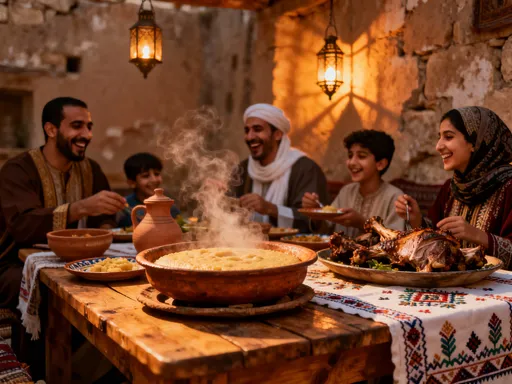
In Siem Reap, food is far more than a daily necessity—it’s a nightly ritual, a social anchor, and a celebration of togetherness. As the sun dips behind the palm trees, families gather, friends reunite, and neighbors catch up over steaming bowls of num banh chok, a fragrant rice noodle dish served with a light green fish-based curry. The act of eating is deeply woven into the fabric of Cambodian urban life, where meals are not rushed but savored, often stretching for hours under the glow of string lights and handheld fans. Unlike Western dining norms that emphasize privacy and quiet, Cambodian food culture thrives on openness, noise, and shared space. Plastic stools line sidewalks, woks hiss in unison, and laughter echoes across communal tables.
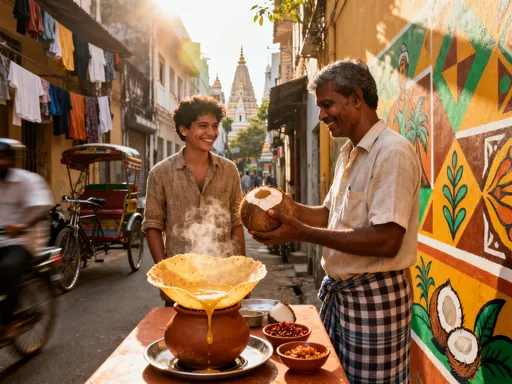
This social dimension of dining is especially vibrant after dark, when the heat of the day fades and the city breathes a little easier. Street food becomes the centerpiece of leisure, transforming ordinary corners into impromptu gathering places. Vendors who’ve spent the day preparing ingredients—pounding spices, marinating meats, fermenting sauces—fire up their grills as dusk settles. The aroma of lemongrass, kaffir lime, and smoked fish fills the air, drawing people out of their homes and into the streets. It’s not unusual to see grandparents sharing a plate of grilled chicken skewers with grandchildren, or groups of young adults passing around a platter of fresh spring rolls while sipping iced coconut water.
What makes this food culture so enduring is its accessibility. A full, satisfying meal can cost as little as two or three dollars, making it possible for people from all walks of life to participate. This inclusivity strengthens community bonds and ensures that food remains a unifying force. Whether you’re seated at a polished restaurant table or crouched on a low stool beside a roadside cart, the experience is rooted in the same values: warmth, generosity, and the joy of eating together. For visitors, embracing this rhythm means stepping into the local way of life—not as spectators, but as participants in a nightly tradition that has sustained Siem Reap for generations.
Pub Street & Beyond: From Tourist Hub to Local Flavor
Pub Street is often the first stop for visitors exploring Siem Reap after dark, and for good reason. Lined with bars, music venues, and brightly lit restaurants, it pulses with energy and offers a convenient entry point into the city’s nightlife. Neon signs flash in English and Khmer, reggae beats drift from open-air lounges, and the scent of grilled meat mingles with sweet coconut shakes. While it’s undeniably tourist-friendly, dismissing Pub Street as purely commercial would be a mistake. Beneath its polished surface lies a surprising depth of authentic flavor, especially when you venture just beyond its central stretch.
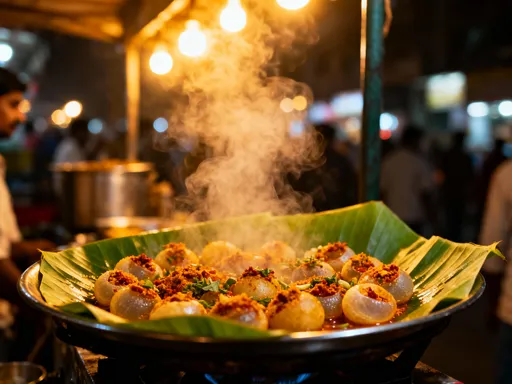
Step off the main drag and into the surrounding alleys, and you’ll find food stalls that have been serving locals for decades. One such spot, tucked behind a row of souvenir shops, offers perfectly charred beef skewers marinated in a blend of soy sauce, garlic, and palm sugar. The vendor, a woman in her fifties who has worked this corner since the 1990s, grills each skewer over glowing charcoal, brushing them with a sticky glaze that caramelizes into a rich, smoky crust. Nearby, another stall serves kuy teav, a comforting noodle soup loaded with pork, herbs, and crisp fried shallots—a favorite among night-shift workers and late-night diners.
What sets these places apart is not just the quality of the food, but the way they coexist with the tourist economy. Many of the most popular vendors attract a mix of locals and travelers, a testament to their authenticity. A Cambodian family might sit at the same plastic table as a group of backpackers, both sharing bowls of amok, the iconic fish curry steamed in banana leaves. This blending of cultures creates a unique dining dynamic where exchange happens naturally, not through forced performances but through the simple act of sharing a meal.
For visitors, the key is curiosity. Look for stalls with handwritten signs, lingering crowds, and minimal English menus—these are often the most genuine. Don’t be afraid to point, smile, and try something unfamiliar. The vendors are accustomed to foreign guests and usually happy to guide you through their offerings. And while Pub Street itself may feel crowded or commercial at times, it serves as a gateway to the deeper culinary currents flowing just beneath. By venturing a few steps off the beaten path, you’ll discover that even in the most touristed areas, Siem Reap’s food soul remains intact.
The Riverside Vibe: Dining with a View
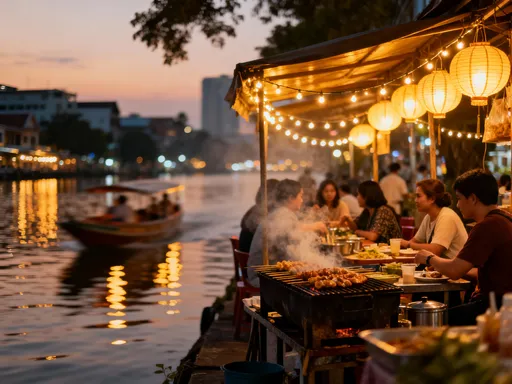
Along the banks of the Siem Reap River, a quieter, more relaxed side of the city unfolds after dark. Here, the pace slows, the air cools, and the gentle murmur of water blends with soft music and clinking glasses. This riverside stretch has become a favorite for both locals and visitors seeking a more tranquil dining experience, where ambiance complements flavor. Strings of fairy lights drape between trees, lanterns float on the water, and open-air restaurants extend their seating onto wooden platforms that hover just above the current. It’s a place to unwind, to linger over a meal, and to feel the city’s rhythm without its intensity.
Several well-established restaurants line this stretch, offering Khmer and fusion cuisine in a setting that feels both elegant and effortless. One popular venue features traditional wooden stilt houses converted into dining spaces, where guests sit on cushioned mats and enjoy dishes like samlor korko, a tangy vegetable stew with fish, or prahok ktis, a creamy dip made with fermented fish and coconut milk. The menu often includes English descriptions, but the preparation remains true to Cambodian methods—slow-cooked, layered with flavor, and served at the perfect temperature.
What makes riverside dining special is the sensory harmony it creates. The cool breeze off the water tempers the warmth of the evening, the flicker of candlelight softens the surroundings, and live acoustic music—often traditional Khmer melodies played on the roneat or tro—adds a cultural layer to the meal. Children run between tables, elders sip herbal tea, and couples share platters of grilled river fish wrapped in banana leaves. It’s not just about eating; it’s about being present in a moment of calm and connection.
For families and older travelers, this area offers a particularly welcoming atmosphere. The seating is more comfortable than street stalls, the lighting is gentle, and the noise level allows for conversation. Yet it never feels overly formal or exclusive. Many of these venues operate on a semi-open basis, welcoming walk-ins and encouraging guests to stay as long as they like. This blend of comfort and authenticity makes the riverside one of Siem Reap’s most cherished leisure spaces—a place where food, nature, and culture come together in perfect balance.
Night Markets: Where Taste Meets Discovery
No exploration of Siem Reap’s after-dark food scene would be complete without a visit to the Angkor Night Market, a lively hub where taste, shopping, and culture intersect. Located just a short walk from Pub Street, this two-story market buzzes with energy from early evening until well past midnight. While it sells handicrafts, clothing, and souvenirs, its true heart lies in the food court on the upper level—a colorful mosaic of stalls serving everything from savory grilled meats to sweet tropical desserts. This is where discovery happens one bite at a time, where the adventurous traveler can sample Cambodia’s culinary diversity in a single sitting.
The variety on offer is staggering. One stall specializes in grilled pork ribs, slow-cooked in a marinade of garlic, soy, and honey before being seared over charcoal. Another serves fresh spring rolls stuffed with shrimp, mint, and vermicelli, served with a tangy tamarind dipping sauce. For those seeking something bolder, there are options like fried tarantulas—a local delicacy known for their crispy legs and mild, nutty flavor—though these are more for the curious than the faint-hearted. More universally loved are the banana pancakes, cooked on flat griddles and folded into golden, caramelized pockets of sweetness, often drizzled with condensed milk and crushed peanuts.
What makes the night market so accessible is its structure. Each stall is clearly marked, prices are usually posted, and many vendors speak enough English to guide you through their offerings. You can order a few dishes at a time, carry them to a shared table, and eat at your own pace. This grazing-style dining encourages experimentation, allowing you to mix and match flavors without committing to a full meal. It’s especially popular with solo travelers and small groups who want variety without the formality of a restaurant setting.
For families, the market offers a fun, low-pressure environment where children can point to what they want and adults can sample multiple dishes. The atmosphere is bright, safe, and welcoming, with security personnel visible and vendors accustomed to foreign guests. While it’s undoubtedly tourist-oriented, the food remains authentic, prepared daily with fresh ingredients. By supporting these stalls, visitors contribute directly to local livelihoods, making the experience not just delicious but meaningful. In a city where tradition and tourism coexist, the night market stands as a vibrant example of how both can thrive.
Hidden Backyard Eateries: The Off-the-Beaten-Path Gems
Beyond the well-lit streets and organized markets, some of Siem Reap’s most memorable meals happen in places you’d easily walk past. These are the backyard eateries—unmarked, unassuming, and often invisible to first-time visitors. Tucked into narrow alleys, behind homes, or in repurposed garages, they operate on word-of-mouth and loyalty. No signs, no websites, no English menus. Just the smell of something delicious pulling you in. These spots are where locals go when they want real flavor, not performance. They represent the quiet heart of Siem Reap’s food culture: unpolished, authentic, and deeply personal.
One such place, known only to a few regulars, sits at the end of a dimly lit lane off Sivutha Boulevard. A single fluorescent bulb illuminates a cluster of plastic tables and stools, where a family runs a nightly operation centered around beef lok lak, a peppery stir-fry served with a fried egg and lime-dressed greens. The meat is tender, seared quickly over high heat, and the rice is cooked in broth for extra depth. Another hidden gem specializes in fish amok, but unlike the restaurant versions, this one is made in small clay pots, giving it a smokier, more intense flavor. The owner, a retired schoolteacher, cooks only a few dozen portions each night, selling out by 9 p.m.
Finding these places requires a mix of luck, local guidance, and respectful curiosity. Some travelers connect with them through guesthouse owners or tuk-tuk drivers who know the scene. Others stumble upon them while exploring on foot. The key is to approach with humility—ask permission before taking photos, follow the lead of local diners, and be prepared to eat what’s offered. These eateries are not designed for spectacle; they exist to feed people, not entertain tourists.
Yet for those who find them, the reward is unparalleled. You’re not just eating; you’re being welcomed into a private corner of Siem Reap’s daily life. The conversation might be limited, but the connection is real. A shared smile, a nod of approval over a well-seasoned dish, the simple act of sitting side by side—these are the moments that linger long after the meal ends. In a world of curated experiences, these hidden spots remind us that the most meaningful travel happens in the quiet, unscripted spaces.
Cooking Classes as Leisure: Learn, Eat, Repeat
In Siem Reap, the line between dining and doing blurs beautifully in the city’s many cooking schools. These are not just lessons in technique—they are full-day experiences that begin at the market, continue in the kitchen, and culminate at the table. For travelers seeking a deeper connection to Cambodian food culture, a cooking class offers a rare opportunity to move from observer to participant. It’s leisure with purpose, education with flavor, and one of the most joyful ways to spend a day in the city.
Most classes start with a guided tour of a local market, where participants learn to identify ingredients like kroeung (a lemongrass-based paste), prahok (fermented fish), and banana blossoms. The instructor—often a chef or home cook with years of experience—explains how each element contributes to the balance of sweet, sour, salty, and bitter that defines Khmer cuisine. From there, the group travels to a garden or kitchen space, where they wash, chop, and cook together. Dishes like mango salad, sour fish soup, and green curry are prepared step by step, with plenty of tasting and adjustment along the way.
What makes these classes so rewarding is their social nature. Strangers arrive as individuals but leave as a group, bonded by shared effort and shared meals. Laughter fills the kitchen as someone struggles to roll spring rolls or misjudges the heat of a chili. The atmosphere is relaxed, encouraging, and never intimidating. Even those with little cooking experience leave feeling accomplished, carrying not just recipes but memories.
And of course, the best part is eating what you’ve made—often served family-style under a shaded pavilion with iced lemongrass tea. For many, this meal feels more authentic than any restaurant version, simply because they helped create it. Cooking classes in Siem Reap are more than a tourist activity; they are a celebration of food as connection, culture, and joy. They remind us that the most meaningful experiences are often the ones we make with our own hands.
Sunset to Late Night: The Rhythm of a Food-Filled Evening
A perfect evening in Siem Reap unfolds like a well-composed meal—each course arriving at the right moment, building toward a satisfying conclusion. It begins as the sun sets, painting the sky in soft pinks and golds. This is the ideal time to settle by the river, perhaps with a fresh coconut or a glass of iced tea, watching the city transition from day to night. As the first lights appear, the air fills with the scent of grilling meat and frying garlic, signaling the start of the city’s culinary rhythm.
By 6:30 p.m., it’s time for dinner. A riverside restaurant offers a relaxed start—something comforting like samlor machu, a sour soup with fish and tamarind, or a platter of grilled chicken with Kampot pepper. The pace is slow, the conversation easy. Afterward, a stroll through the Angkor Night Market allows for sampling—maybe a skewer of pork, a banana pancake, and a cup of sugarcane juice. The energy here is lively but not overwhelming, perfect for soaking in the atmosphere.
Later, around 9 p.m., the city’s quieter corners come alive. This is when the backyard eateries fill up, when locals gather for late-night snacks and conversation. Joining them, even briefly, offers a rare glimpse into everyday life. A plate of fried noodles, a cold drink, and a few shared smiles can say more than any guidebook. And if you’re still awake by 10:30, a stop at a 24-hour coffee stall for a sweet, milky kafei sroeung might be the perfect end—a warm, comforting note to close the night.
This rhythm—gentle, intentional, sensory-rich—is what makes Siem Reap’s food scene so special. It’s not about rushing from one spot to the next, but about savoring each moment. The true luxury isn’t in five-star service or rare ingredients; it’s in the freedom to slow down, to eat with your hands, to laugh with strangers, and to let the city reveal itself one meal at a time.
Siem Reap’s culinary landscape isn’t just about what’s on the plate—it’s about where, when, and how you eat. These leisure venues transform meals into memories, turning strangers into friends over shared tables. By choosing experiences rooted in authenticity and joy, travelers don’t just taste Cambodia—they live it, one flavorful night at a time.