You Won’t Believe How These Food Combos Transformed My Sleep
Ever tossed and turned at night, wondering why your brain just won’t power down? You're not alone. Millions struggle with poor sleep quality, and while habits like screen time and stress play a role, what we eat—and how we combine it—might be the missing puzzle piece. Emerging science shows that certain dietary pairings can naturally support melatonin production, balance blood sugar, and calm the nervous system, all critical for deep, restorative sleep. The truth is, food doesn’t just fuel the body—it shapes the conditions under which we rest. And when we understand how nutrients interact, we gain a powerful tool to transform not just our meals, but our nights.
The Hidden Link Between Food Combos and Sleep Quality
Most people think of sleep support in terms of supplements or bedtime routines, but few consider the role of food combinations. It’s not only the individual foods we eat that matter, but how they work together. This concept, known as food synergy, suggests that nutrients in combination can have a greater biological effect than when consumed in isolation. When it comes to sleep, this means that pairing certain foods can enhance the availability of sleep-regulating compounds like melatonin, serotonin, and GABA, while stabilizing physiological processes that influence rest.
Digestion and nutrient absorption are highly influenced by what else is on the plate. For example, fat-soluble vitamins such as vitamin D and E require dietary fats to be properly absorbed. Similarly, the presence of fiber can slow the release of glucose into the bloodstream, preventing spikes that disrupt sleep. The metabolic pathways involved in sleep regulation—especially those tied to circadian rhythms—are sensitive to the timing, composition, and balance of meals. When food choices support these natural rhythms, sleep tends to follow.
Scientific research increasingly supports this connection. A 2020 study published in the journal Nutrients found that participants who consumed balanced evening meals—containing moderate protein, complex carbohydrates, and healthy fats—fell asleep faster and experienced fewer nighttime awakenings compared to those who ate high-glycemic or unbalanced dinners. Another observational study noted that individuals who regularly consumed fermented foods and plant-based proteins reported better sleep quality, even after adjusting for lifestyle factors. These findings suggest that food pairings are not just about nutrition—they are about physiology.
The good news is that small, evidence-based adjustments can lead to noticeable improvements. You don’t need to overhaul your entire diet. Simply adding a source of healthy fat to a carbohydrate-rich meal, or pairing a magnesium-rich vegetable with a vitamin C-containing food, can shift the body’s internal environment in favor of rest. Over time, these consistent choices can recalibrate your metabolism and nervous system, making it easier to fall asleep and stay asleep. The key is understanding which combinations work—and why.
Why Blood Sugar Balance Is Key to Staying Asleep
One of the most overlooked causes of nighttime wakefulness is blood sugar imbalance. Throughout the night, the body continues to regulate glucose levels, even during sleep. When blood sugar drops too low—a condition known as nocturnal hypoglycemia—the brain triggers the release of stress hormones like cortisol and adrenaline to restore balance. These hormones increase alertness, often jolting a person awake around 2 or 3 a.m., even if they fell asleep easily. This pattern is common among people who eat large, carbohydrate-heavy meals late in the evening without balancing them with protein or fat.
High-glycemic foods—such as white bread, sugary cereals, or plain pasta—cause a rapid spike in blood glucose. In response, the pancreas releases a surge of insulin. While this brings blood sugar down, it can sometimes overshoot, leading to a sharp decline later. When this happens during sleep, the body interprets it as an emergency, activating the sympathetic nervous system. The result? Sudden wakefulness, heart palpitations, or restless legs—all signs of hormonal disruption rather than true alertness.
The solution lies in moderating glucose absorption through strategic food pairing. Combining complex carbohydrates with healthy fats or protein slows digestion and promotes a gradual release of glucose into the bloodstream. For example, eating brown rice with grilled salmon or pairing sweet potato with olive oil and herbs creates a more stable metabolic response. These combinations prevent insulin spikes and reduce the likelihood of nighttime cortisol surges.
Real-world examples are both simple and effective. A serving of quinoa with roasted vegetables and a drizzle of avocado oil provides sustained energy release. Oatmeal made with unsweetened almond milk and topped with a tablespoon of chia seeds offers soluble fiber and plant-based fat, both of which help regulate blood sugar. Even a small evening snack like an apple with a few almonds can prevent late-night crashes. The goal is not to eliminate carbohydrates—many are essential for sleep—but to choose the right ones and pair them wisely. When blood sugar remains steady, the body stays in rest mode, allowing for uninterrupted, restorative sleep.
Tryptophan + Carbs: The Classic Combo Revisited
Tryptophan, an essential amino acid, plays a central role in sleep regulation. It is the precursor to serotonin, which the body then converts into melatonin—the hormone responsible for signaling sleep. However, tryptophan cannot work alone. To reach the brain, it must compete with other amino acids for transport across the blood-brain barrier. This is where carbohydrates come in. When we consume carbs, insulin is released, which helps clear competing amino acids from the bloodstream, giving tryptophan a clearer path to the brain.
This biological mechanism explains why a small carbohydrate-containing snack can enhance the sleep-promoting effects of protein-rich foods. However, it’s important to get the balance right. Eating a large protein-heavy meal without any carbs may actually hinder tryptophan uptake, as the flood of amino acids overwhelms the transport system. Conversely, eating only sugary carbs without protein can lead to blood sugar swings, counteracting any benefit.
A common myth is that turkey makes people sleepy because of its high tryptophan content. While turkey does contain tryptophan, the drowsiness often felt after holiday meals is more likely due to the large volume of food, alcohol consumption, and the timing of the meal. The real secret isn’t the turkey itself, but the combination of turkey with mashed potatoes, stuffing, and pie—carbohydrate-rich foods that facilitate tryptophan’s journey to the brain.
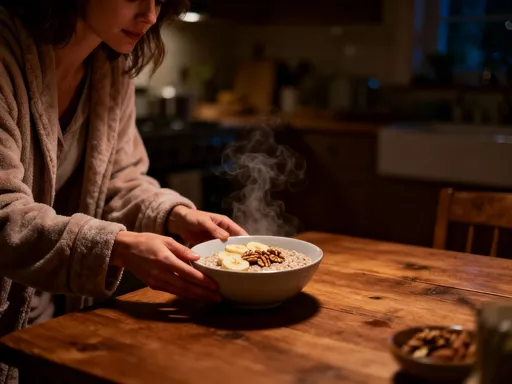
For those seeking better sleep, the takeaway is clear: pair moderate amounts of tryptophan-containing foods with low-glycemic carbohydrates in the evening. Examples include a small bowl of oatmeal with a few walnuts, a banana with a spoonful of almond butter, or a slice of whole grain toast with a bit of natural peanut butter. These combinations provide enough tryptophan to support melatonin production, along with the insulin response needed to make it effective—without causing blood sugar instability. Timing also matters: consuming such snacks about an hour before bed allows the body to begin the transition into rest.
Magnesium-Rich Foods Paired for Maximum Absorption
Magnesium is often referred to as nature’s relaxant. It plays a vital role in over 300 enzymatic reactions in the body, including those involved in muscle relaxation, nerve function, and stress response regulation. Low magnesium levels have been linked to increased anxiety, muscle tension, and difficulty falling asleep. Despite its importance, many adults do not consume enough magnesium, particularly from dietary sources.
Plant-based foods are the richest natural sources of magnesium. Spinach, Swiss chard, pumpkin seeds, black beans, lentils, and almonds all provide significant amounts. However, the body’s ability to absorb magnesium from food depends on several factors, including the presence of other nutrients. One of the most effective ways to enhance magnesium absorption is by pairing these foods with those rich in vitamin C.
Vitamin C improves the bioavailability of magnesium by supporting its solubility and transport in the digestive tract. For example, adding sliced bell peppers or a squeeze of lemon juice to a spinach salad can significantly increase the amount of magnesium the body can use. Similarly, combining black beans with tomatoes or pairing roasted pumpkin seeds with a side of orange slices creates a synergistic effect that boosts nutrient uptake.
While magnesium supplements are widely available, research suggests that obtaining nutrients from whole foods is generally safer and more effective. Supplements can sometimes cause gastrointestinal side effects like diarrhea, especially in high doses. Moreover, food-based magnesium comes packaged with other beneficial compounds—fiber, antioxidants, and phytonutrients—that support overall health. A 2018 review in the Journal of the American College of Nutrition concluded that dietary magnesium intake was more strongly associated with improved sleep quality than supplemental intake.
For women in the 30–55 age range, who may be experiencing hormonal shifts that affect sleep, ensuring adequate magnesium through food combinations is a gentle, sustainable strategy. A simple dinner of sautéed Swiss chard with garlic and lemon, served alongside a quinoa and roasted vegetable bowl, provides both magnesium and vitamin C in a delicious, easy-to-digest format. Over time, consistent intake of such combinations can support deeper, more relaxed sleep by helping the nervous system stay calm and muscles remain tension-free.
Fermented Meets Fiber: Gut Health’s Role in Sleep
The connection between the gut and the brain—often called the gut-brain axis—is now recognized as a key player in mental and physical well-being, including sleep regulation. The gut microbiome, composed of trillions of bacteria, influences the production of neurotransmitters like serotonin and GABA, both of which are critical for relaxation and sleep. In fact, up to 90% of the body’s serotonin is produced in the gut, not the brain. This means that gut health directly impacts mood, stress levels, and the ability to rest.
Fermented foods are one of the best dietary sources of beneficial bacteria. Kefir, sauerkraut, kimchi, plain yogurt, and miso all contain live probiotics that help maintain a diverse and balanced microbiome. These microbes support digestion, reduce inflammation, and communicate with the brain via the vagus nerve, sending signals that can promote calmness and reduce anxiety.
However, probiotics alone are not enough. To thrive, beneficial bacteria need prebiotic fiber—food for the microbes. Prebiotics are found in foods like garlic, onions, leeks, asparagus, bananas, and oats. When fermented foods are paired with prebiotic-rich ingredients, the result is a powerful synergy that strengthens gut health. For example, adding sauerkraut to a bowl of lentil soup or mixing kefir with sliced banana and chia seeds creates a complete environment for microbial growth.
A healthy gut microbiome is linked to increased production of GABA, a neurotransmitter that inhibits neural activity and promotes relaxation. Studies have shown that individuals with higher levels of certain beneficial bacteria, such as Lactobacillus and Bifidobacterium, report lower levels of insomnia and improved sleep efficiency. This is not a coincidence—these bacteria are involved in the synthesis of sleep-supportive compounds. By feeding them properly, we support not only digestion but also the brain’s ability to wind down at night.
What to Avoid: Counterproductive Pairings That Disrupt Sleep
Just as certain food combinations support sleep, others can sabotage it. Some of the most common evening meal choices—while satisfying in the moment—can interfere with digestion, trigger reflux, or destabilize blood sugar, leading to restless nights. Being aware of these counterproductive pairings allows for smarter choices without requiring complete dietary restriction.
One major culprit is the combination of high fat and high sugar, such as ice cream, pastries, or fried desserts. These foods are slow to digest due to their fat content, while their sugar content causes a rapid insulin response. The result is a delayed but significant metabolic burden that can keep the body active during the night. Additionally, the dopamine spike from sugary treats may create a temporary sense of comfort, but it can disrupt the brain’s natural wind-down process.
Another problematic pairing is acidic foods with dairy, particularly close to bedtime. Tomatoes, citrus, and vinegar-based dressings can increase stomach acidity, and when combined with dairy—especially in large amounts—they may contribute to acid reflux or indigestion. Lying down shortly after eating exacerbates this, as gravity no longer helps keep stomach contents in place. This can lead to discomfort, coughing, or frequent awakenings, even if the meal seemed light.
Large, protein-heavy meals consumed late at night—such as steak or heavy casseroles without fiber—can also impair sleep. Protein requires more energy to digest, and without adequate fiber, it may sit in the stomach longer, causing bloating or discomfort. While protein is important for satiety and muscle repair, timing and balance matter. Consuming such meals earlier in the evening, or pairing them with steamed vegetables and a small portion of whole grains, can reduce the digestive load.
The solution is not deprivation, but adjustment. Instead of ice cream, try a small bowl of plain Greek yogurt with berries and a sprinkle of flaxseed. Replace heavy pasta dishes with a lighter grain bowl that includes lean protein, vegetables, and healthy fats. These alternatives provide satisfaction without overburdening the system. The goal is to eat in a way that supports rest, not fights against it.
Practical Nightly Routine: Building Your Sleep-Optimized Plate
Creating a sleep-supportive diet doesn’t require complicated recipes or exotic ingredients. The most effective approach is consistency, simplicity, and balance. A well-structured evening meal should include four key components: lean protein, complex carbohydrates, healthy fats, and a fermented or fiber-rich element. This combination supports blood sugar stability, enhances nutrient absorption, and promotes relaxation—setting the stage for restful sleep.
A sample dinner template might include grilled salmon or baked chicken breast (lean protein), a serving of brown rice or roasted sweet potato (complex carb), a side of sautéed spinach with olive oil (healthy fat and magnesium), and a small portion of sauerkraut or a cup of kefir (fermented food). This plate provides tryptophan, fiber, probiotics, and essential minerals—all working together to support sleep physiology.
For those with lighter appetites or who prefer a snack-based evening routine, three science-backed options include: (1) a small bowl of oatmeal made with unsweetened almond milk, topped with banana slices and a teaspoon of almond butter; (2) whole grain toast with avocado and a poached egg; or (3) a smoothie made with plain kefir, spinach, frozen blueberries, and a tablespoon of ground flaxseed. Each of these options balances macronutrients and includes sleep-supportive nutrients without being overly heavy.
Timing is equally important. Finishing meals or snacks 2–3 hours before bedtime allows the body to complete the initial stages of digestion before lying down. This reduces the risk of reflux, bloating, and metabolic disruption. It also gives the body time to shift from the active “digest and process” mode into the “rest and repair” state governed by the parasympathetic nervous system.
Perfection is not the goal. What matters most is consistency over time. Even making one or two of these changes per day—such as adding a fermented food to dinner or pairing carbs with protein—can lead to meaningful improvements in sleep quality. The body responds to patterns, not isolated events. By treating meals as part of a broader sleep hygiene practice, women in their 30s, 40s, and 50s can reclaim restful nights through gentle, sustainable choices.
Conclusion: Food as a Foundation for Better Rest
Better sleep begins long before the lights go out. It starts on the plate, in the way foods are combined, timed, and balanced. While habits like reducing screen time and managing stress are important, they are only part of the picture. The food we eat sends biochemical signals that either support or disrupt the body’s natural rhythms. Strategic food pairings—such as tryptophan with carbs, magnesium with vitamin C, or fermented foods with fiber—work with biology to create an internal environment conducive to rest.
No single food is a magic cure for insomnia. But when we understand the science of synergy, we gain the power to make small, meaningful changes that compound over time. Blood sugar balance, nutrient absorption, gut health, and neurotransmitter production are all influenced by what we eat and how we combine it. These are not abstract concepts—they are tangible factors that shape the quality of our nights.
The journey to better sleep does not require drastic measures. It begins with awareness and grows through consistent, informed choices. Viewing meals as part of a holistic sleep hygiene practice—alongside routine, relaxation, and movement—empowers individuals to take control of their rest. For women navigating the demands of family, career, and personal well-being, this approach offers a gentle, effective path to renewal.
Better nights are possible. They begin not with a pill or a promise, but with a plate—one balanced bite at a time.