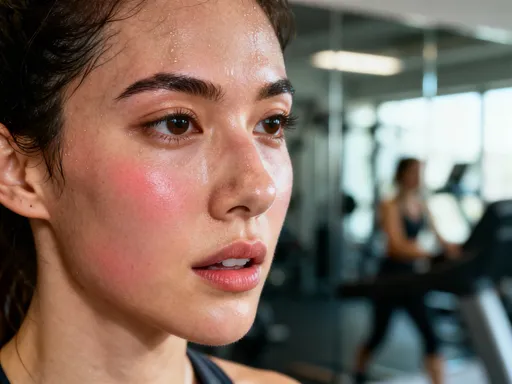
Sweat Without Sabotage: The Hidden Mistakes Ruining Your Skincare Routine
You’ve nailed your morning cleanse and nightly moisturizer, but what if your workout is undoing it all? Many women in their 30s to 50s have learned this the hard way—sweat, friction, and post-gym habits can silently wreck your skin. Exercise is essential for vitality, hormone balance, and emotional well-being, yet without thoughtful integration into your skincare regimen, it can trigger breakouts, redness, and premature irritation. This isn’t about skipping fitness; it’s about aligning it with skin health. The truth is, glowing skin doesn’t come from skincare alone—it comes from how all your daily habits, including workouts, work together. Let’s uncover the overlooked missteps that turn healthy movement into a hidden trigger for dullness and blemishes.
The Glow That Backfires: When Fitness Fuels Skin Frustration
Exercise is often praised for delivering a 'post-workout glow'—a flush of blood flow that temporarily brightens the complexion. For many women, this radiant promise is part of the motivation to stay active. However, behind that initial radiance, a different story can unfold. Instead of clearer skin, some notice increased breakouts on the chest, back, or jawline after consistent workouts. This paradox is more common than discussed, especially among women managing hormonal shifts during perimenopause or menopause, when skin becomes more reactive and prone to congestion.
The issue isn’t exercise itself but the conditions it creates on the skin’s surface. When you sweat, your pores open, body temperature rises, and the skin becomes a temporary host for bacteria, oils, and environmental pollutants. Without proper care, these elements linger, leading to inflammation and clogged follicles. The irony is that the very activity meant to support overall health may be contributing to skin distress. This contradiction often leaves women confused—doing everything 'right' with skincare yet seeing inconsistent results.
Consider the routine of a 42-year-old mother who fits in a 6 a.m. spin class before work. She uses a high-end moisturizer and avoids heavy makeup, yet she develops persistent bumps along her hairline and shoulders. Or the 50-year-old professional who walks daily outdoors but notices more redness and sensitivity on her décolletage. These are not isolated cases. Dermatologists observe a rising number of patients whose fitness habits unintentionally compromise their skin barrier. The key to resolving this lies not in reducing activity but in understanding the invisible factors at play: sweat composition, fabric choice, timing of cleansing, and product compatibility.
Sweat Science: What Your Skin Actually Experiences During Exercise
To protect your skin, it’s essential to understand what sweat truly is—and what it does to your complexion. Contrary to popular belief, sweat is not 'dirty' or inherently acne-causing. It’s primarily composed of water, electrolytes like sodium and potassium, and trace amounts of urea and lactate. These components help regulate body temperature and support detoxification. However, when sweat sits on the skin, especially in warm, humid environments, it creates conditions where problems can arise.
As sweat evaporates, it leaves behind salt residues that can dehydrate the skin’s outer layer. This salt film disrupts the acid mantle—the slightly acidic barrier that protects against bacteria and maintains hydration. Once compromised, the skin becomes more vulnerable to irritation and microbial overgrowth. Additionally, sweat mixes with sebum (natural skin oil) and dead skin cells, forming a sticky film that can clog pores, particularly in areas with high follicular density like the forehead, back, and chest.
Another overlooked factor is pH. Healthy skin maintains a pH of about 4.5 to 5.5, which keeps harmful microbes in check. Sweat, however, is slightly alkaline, with a pH around 6 to 7.5. During prolonged or intense workouts, repeated sweating can temporarily raise the skin’s pH, weakening its defense system. This shift allows opportunistic bacteria like Cutibacterium acnes to thrive, increasing the risk of inflammatory acne. The longer sweat remains on the skin, the more time this imbalance has to take effect.
Outdoor exercisers face additional challenges. Sweat combines with environmental pollutants—such as ozone, particulate matter, and pollen—creating oxidative stress on the skin. This can accelerate signs of aging and worsen sensitivity. For women over 35, whose natural antioxidant defenses begin to decline, this combination is particularly impactful. Understanding these biological realities shifts the focus from blaming sweat to managing its aftermath with intention and care.
The Clothing Trap: How Your Activewear Might Be Causing Breakouts
While fitness apparel has evolved to be more functional and stylish, not all materials support skin health. Many popular activewear pieces are made from synthetic fibers like polyester, nylon, or spandex. These fabrics are designed to be stretchy and moisture-resistant, but they often trap sweat against the skin instead of allowing it to evaporate. This creates a damp, warm environment—ideal for bacterial growth and a primary cause of body acne, especially on the back, chest, and under the breasts.
Moreover, tight-fitting clothes contribute to a condition known as acne mechanica. This type of breakout is triggered not by hormones or diet but by physical friction, pressure, and heat. When clothing rubs against the skin during movement—such as during running, weightlifting, or high-intensity interval training—it causes micro-inflammation. Over time, this irritation can block hair follicles and lead to persistent bumps or pustules. Women who wear sports bras for extended periods or compression tops without changing afterward are especially at risk.
The problem is often worsened by re-wearing sweaty workout gear. While convenient, this habit allows bacteria and yeast to build up in the fabric, increasing the likelihood of skin reactions upon reuse. Even washing clothes may not fully eliminate microbes if detergents are not formulated for sportswear or if garments are not dried completely. Some studies suggest that synthetic fabrics retain more odor-causing bacteria than natural fibers, even after laundering.
Choosing better materials can make a significant difference. Fabrics like merino wool, bamboo, or TENCEL™ offer breathability, moisture-wicking properties, and natural antimicrobial qualities. Cotton blends designed for athletic use can also be effective, though they may retain more moisture than technical synthetics. Seamless designs and looser fits reduce friction, especially for those prone to irritation. Investing in quality activewear isn’t just about comfort—it’s a form of skin protection. Changing out of workout clothes immediately after exercise, even at home, is a simple yet powerful step toward clearer skin.
Timing Trouble: Why What You Do Right After the Gym Matters Most
One of the most critical—and often neglected—factors in workout-related skincare is timing. Dermatologists consistently emphasize the importance of cleansing the skin within 30 minutes after exercise. The longer sweat, salt, and pollutants remain on the skin, the deeper they penetrate into pores and the greater the disruption to the skin barrier. For busy women juggling work, family, and fitness, this window can be hard to honor, but it’s a non-negotiable for maintaining skin clarity.
Imagine finishing a midday yoga session at a studio downtown. You pack up, head to a meeting, and plan to shower at home in three hours. During that time, the residue from sweat has dried, pulling moisture from the skin and leaving behind a film that attracts dirt. By evening, the skin may feel tight, look dull, or develop small bumps—especially in areas covered by clothing. This delayed cleansing routine is a common culprit behind persistent breakouts that resist topical treatments.
For those unable to shower immediately, alternatives exist. Pre-moistened facial wipes made with gentle, non-irritating ingredients can remove surface sweat and impurities. Look for alcohol-free formulas containing soothing agents like aloe vera or chamomile. For the body, cleansing towelettes designed for athletes can be kept in a gym bag. While not a full substitute for washing, they significantly reduce bacterial load and prevent prolonged exposure to sweat.
Another effective strategy is a quick rinse. If you have access to a sink or restroom, splashing the face and décolletage with lukewarm water can wash away salt and reduce pH imbalance. Patting dry with a clean towel—never rubbing—helps avoid micro-tears in the skin. For outdoor exercisers, a portable spray bottle with water or a facial mist can offer on-the-go refreshment. The goal is not perfection but timely intervention. Small actions, taken consistently, prevent cumulative damage and support long-term skin resilience.
Over-Cleansing Fallout: Stripping Skin in the Name of Clean
On the flip side of delayed cleansing is the risk of over-cleansing. Some women, eager to remove every trace of sweat, turn to harsh scrubs, foaming cleansers, or alcohol-based toners. While these products may leave the skin feeling 'squeaky clean,' they often do more harm than good. Stripping the skin of its natural oils disrupts the lipid barrier, leading to dryness, redness, and increased sensitivity—especially in women over 40, whose skin produces less sebum naturally.
When the barrier is compromised, the skin responds by producing more oil to compensate—a process known as rebound sebum production. This overcompensation can ironically lead to more breakouts, creating a frustrating cycle: cleanse too aggressively, trigger oiliness, then cleanse again. The result is a weakened defense system, greater susceptibility to environmental damage, and accelerated aging.
The solution lies in balance. A gentle, pH-balanced cleanser that removes impurities without disrupting the skin’s natural chemistry is ideal. Cream or milky cleansers work well for dry or sensitive skin, while gel formulas can suit oilier complexions. Avoid physical scrubs with large granules, which can cause micro-abrasions. Instead, opt for chemical exfoliants like low-concentration salicylic acid used a few times a week, not daily.
Water temperature also matters. Hot water may feel refreshing after a workout but can further dehydrate the skin and dilate blood vessels, increasing redness. Lukewarm water is gentler and more effective at preserving barrier integrity. After cleansing, applying a hydrating toner or serum helps restore moisture and rebalance pH. The principle is simple: clean doesn’t mean stripped. Healthy skin feels soft, calm, and supple—not tight or squeaky.
Makeup and Moisturizer: Layering Skincare Safely Around Workouts
Many women wear moisturizer or sunscreen daily, even when planning to exercise. While hydration and UV protection are essential, layering products under sweat requires careful consideration. Makeup, especially foundation or concealer, can mix with sweat and sebum, turning into a pore-clogging paste. Even non-comedogenic products may behave differently when combined with heat and friction, leading to unexpected breakouts.
For workouts, the safest approach is to go bare-faced. If you must wear sunscreen, choose a lightweight, mineral-based formula with zinc oxide or titanium dioxide. These ingredients are less likely to irritate and provide immediate protection without needing to absorb into the skin. Avoid chemical sunscreens that can sting when mixed with sweat. For moisturizer, opt for a water-based, oil-free gel that absorbs quickly and doesn’t leave a greasy residue.
Post-workout is the ideal time to rebuild your skincare layers. After cleansing, the skin is primed to absorb active ingredients. Applying a hydrating serum with hyaluronic acid helps replenish lost moisture, while antioxidants like vitamin C can neutralize free radicals from environmental exposure. Follow with a nourishing moisturizer suited to your skin type. This sequence supports recovery and enhances the benefits of both exercise and skincare.
For those who exercise outdoors, reapplying sunscreen after cleansing is crucial. UV damage accumulates quickly, and sweating can remove protective layers. Keeping a travel-sized sunscreen in your gym bag ensures you’re protected during post-workout errands or commutes. Remember, sun exposure is a leading cause of premature aging and uneven tone—especially for women over 35. Protecting your skin during and after outdoor activity is not optional; it’s part of a complete wellness routine.
Building a Smarter Routine: Syncing Fitness and Skincare for Lasting Results
The ultimate goal is not to choose between fitness and flawless skin but to integrate both into a harmonious, sustainable routine. This requires a three-phase approach: pre-workout preparation, mindful activity, and post-exercise recovery. Each phase plays a role in preserving skin health while supporting overall vitality.
Before exercise, cleanse the face if you’re wearing makeup or heavy products. Apply a lightweight moisturizer and sunscreen if going outdoors. Wear clean, breathable activewear and avoid tight hairstyles that pull on the forehead or cause friction. During your workout, stay hydrated and be aware of how your skin feels—itching or tightness may signal irritation. If exercising outside, seek shade when possible and wipe sweat gently with a clean cloth rather than letting it dry on the skin.
Immediately after, prioritize cleansing. If a shower isn’t possible, use wipes or a quick rinse. Follow with a soothing serum and moisturizer to restore balance. Change out of sweaty clothes as soon as you can, even at home. Wash activewear after each use with a mild detergent, and allow it to dry completely. These habits may seem small, but their cumulative effect is profound.
Finally, listen to your skin. It will tell you what it needs—whether that’s more hydration, less product, or a change in fabric. Adjust your routine based on the type of workout, weather, and your body’s changing needs. Hormonal fluctuations, stress, and seasonal shifts all influence how your skin responds. Consistency, not perfection, is the key to lasting results.
Fitness should enhance your glow, not erase it. By understanding the science behind sweat, choosing the right fabrics, timing your care, and treating your skin with respect, you can enjoy the full benefits of movement without the hidden cost. This is more than skincare—it’s a commitment to holistic well-being, where every choice supports a healthier, more radiant you.