How Hobbies Heal: The Professional’s Path to Rehabilitation Through Passion
Recovery isn’t just about medicine and therapy—what you do every day matters just as much. As a rehab specialist, I’ve seen how purposeful hobbies like painting, gardening, or playing music can accelerate healing. These aren’t just distractions; they rebuild focus, coordination, and emotional resilience. This article explores how structured, meaningful activities become powerful tools in professional rehabilitation, blending science and soul to restore not just function—but joy.
The Hidden Power of Hobbies in Recovery
Rehabilitation is often viewed through a clinical lens—physical therapy sessions, prescribed medications, and scheduled checkups. But true recovery extends beyond the treatment room. It involves restoring a sense of self, rebuilding confidence, and reengaging with life in a meaningful way. This is where hobbies step in, not as simple pastimes but as intentional tools for healing. Occupational therapists have long recognized that engaging in purposeful activities can significantly improve patient outcomes. When individuals participate in tasks they find enjoyable and meaningful, the brain responds more actively to the recovery process.
Consider a patient recovering from a stroke who struggles with hand mobility. Traditional exercises may involve squeezing a foam ball or moving small weights. While effective, these tasks can feel repetitive and emotionally draining. Introduce knitting or pottery, however, and the same motor skills are trained within a context that feels rewarding. The goal shifts from “completing therapy” to “finishing a scarf” or “shaping a bowl.” This subtle shift in mindset increases motivation and adherence. Clinical observations consistently show that patients who engage in hobby-based therapy report higher satisfaction and demonstrate faster progress in regaining functional abilities.
Moreover, hobbies reintroduce a sense of normalcy. Illness or injury can isolate individuals, making them feel defined solely by their condition. A hobby allows a person to be an artist, a gardener, or a musician again—roles that exist outside the identity of “patient.” This psychological reconnection is vital. Studies in rehabilitative psychology emphasize that emotional well-being directly influences physical recovery. When a person feels capable and engaged, their body often follows suit. Hobbies, therefore, are not secondary to treatment—they are integral to it.
Why the Brain Responds to Creative Engagement
The human brain is remarkably adaptable, a quality known as neuroplasticity. This means that neural pathways can reorganize and strengthen in response to repeated experiences. Creative hobbies—such as drawing, painting, playing an instrument, or even assembling puzzles—activate multiple regions of the brain simultaneously. They require hand-eye coordination, visual processing, memory recall, and emotional regulation. When performed regularly, these activities reinforce neural connections that may have been weakened by injury, illness, or inactivity.
For example, a person learning to play the piano after a brain injury is not only practicing finger dexterity but also engaging auditory processing and sequential memory. The brain must coordinate timing, pitch recognition, and muscle memory—each repetition strengthening the network of neurons responsible for these functions. Over time, this leads to measurable improvements in motor control and cognitive clarity. Research published in peer-reviewed journals has demonstrated that patients who participate in music-based therapy show increased connectivity in motor and language areas of the brain, particularly after stroke or traumatic brain injury.
Equally important is the emotional impact of creative engagement. When a person becomes absorbed in a task they enjoy, they often enter a psychological state known as “flow.” In this state, distractions fade, self-consciousness diminishes, and attention becomes fully immersed in the present moment. Flow is associated with reduced levels of cortisol, the stress hormone, and increased production of dopamine, a neurotransmitter linked to pleasure and motivation. This biochemical shift not only improves mood but also creates an optimal environment for healing. The brain, when calm and engaged, is more receptive to rehabilitation efforts.
Even seemingly simple activities like coloring or assembling model kits can induce flow. The rhythmic, repetitive nature of these tasks provides a meditative quality that soothes anxiety and promotes mental clarity. For individuals recovering from prolonged illness or hospitalization, this sense of calm is invaluable. It allows the nervous system to reset, reducing the chronic stress that can impede recovery. Thus, creative hobbies do more than pass the time—they actively reshape the brain’s capacity to heal.
Matching Hobbies to Rehabilitation Goals
Effective rehabilitation is not one-size-fits-all, and neither should hobby integration be. Therapists carefully align activities with specific recovery objectives. For instance, a patient working on fine motor control might benefit from beadwork, embroidery, or playing a stringed instrument. These tasks require precise finger movements, gradually improving dexterity and strength. In contrast, someone focusing on cognitive rehabilitation—such as memory or executive function—may be guided toward journaling, crossword puzzles, or learning a new language through interactive apps.
Emotional regulation is another key goal in recovery, especially for individuals coping with chronic pain or long-term disability. Activities like gardening, birdwatching, or nature photography encourage mindfulness and connection to the present moment. These hobbies are inherently calming, offering a sense of peace and accomplishment without physical strain. For patients with limited mobility, storytelling, writing poetry, or listening to and discussing music can provide emotional expression and intellectual stimulation.
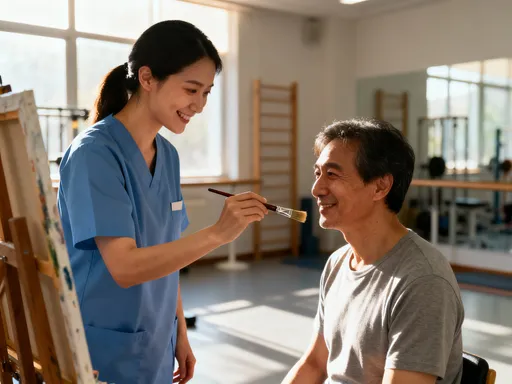
The process begins with a thorough assessment. Therapists evaluate a patient’s physical capabilities, cognitive status, emotional needs, and personal interests. A retired teacher who once enjoyed reading may find renewed purpose in joining a book discussion group, while a former carpenter might reconnect with identity through simple woodworking projects. This personalization ensures that the hobby is not only therapeutic but also meaningful, increasing the likelihood of long-term engagement.
Technology has expanded the range of accessible hobbies. Adaptive tools allow individuals with limited hand function to paint using mouth-held brushes or voice-activated software. Virtual reality programs simulate gardening or travel experiences for those unable to leave their homes. These innovations make it possible for nearly every patient to find an activity that aligns with their goals and abilities. The key is not the complexity of the hobby but its relevance to the individual’s journey.
From Clinic to Daily Life: Building Sustainable Habits
One of the greatest challenges in rehabilitation is maintaining progress after formal therapy ends. This is where the transition from clinical guidance to independent practice becomes critical. Therapists help patients establish routines that integrate hobbies into daily life. Consistency, not intensity, is emphasized. Spending ten minutes a day knitting or journaling is more beneficial than an occasional two-hour session. Small, regular actions build neural pathways and reinforce new habits.
Environment plays a crucial role. A dedicated space—a corner with art supplies, a journal on the nightstand, a small indoor garden—serves as a visual reminder and reduces barriers to engagement. Family members and caregivers can support this process by participating or simply acknowledging the effort. A simple comment like “I love seeing your drawings” can reinforce motivation. Social connection through group activities—such as community art classes or music groups—also enhances adherence by adding a layer of accountability and enjoyment.
There will be days when motivation wanes. Progress may feel slow, or physical limitations may seem discouraging. During these times, therapists recommend focusing on process rather than outcome. Instead of measuring success by how many stitches are completed, the goal becomes “I spent time doing something I enjoy.” This mindset shift reduces pressure and fosters resilience. Tracking progress through a simple journal or checklist can also provide a sense of achievement, even on difficult days.
Ultimately, the aim is to transform the hobby from a therapy assignment into a natural part of life. When this happens, the benefits extend beyond rehabilitation. The activity becomes a source of joy, a way to unwind, and a reminder of personal strength. This sustainability is what turns temporary recovery into lasting well-being.
The Emotional Reset: How Hobbies Reduce Anxiety and Boost Mood
Illness and injury do more than affect the body—they disrupt emotional equilibrium. Many patients experience anxiety, depression, or a sense of loss after a health crisis. The transition from independence to dependence can be deeply unsettling. Hobbies offer a powerful counterbalance. They provide a sense of control in a life that may feel unpredictable. Choosing what to paint, what to plant, or what song to learn restores agency. This autonomy is psychologically empowering.
Accomplishment, no matter how small, fuels self-worth. Completing a crochet project, writing a short story, or growing a tomato plant from seed sends a message: “I am capable.” This is especially important for individuals who have been told they can no longer do what they once loved. A former pianist who can now play a simple melody with one hand may cry—not from frustration, but from relief. The music reconnects them to a core part of their identity.
Clinical data supports these observations. Anonymous patient reports consistently show reductions in anxiety and improvements in mood among those engaged in hobby-based therapy. One study found that 78% of participants in a therapeutic art program reported feeling “more hopeful” after six weeks. Another noted decreased reliance on anxiety medication among patients who practiced regular creative activities. While hobbies are not a substitute for mental health treatment, they serve as a valuable complement, offering natural, non-pharmacological support.
The emotional benefits also influence physical recovery. Chronic stress suppresses immune function, slows tissue repair, and increases pain sensitivity. By reducing stress and elevating mood, hobbies create a physiological environment conducive to healing. Patients who feel emotionally supported often report less pain and greater energy. This holistic improvement underscores the importance of addressing the mind as diligently as the body in rehabilitation.
Professional Integration: When and How Therapists Use Hobbies
Hobbies are not introduced haphazardly in rehabilitation. They are carefully integrated into treatment plans by licensed occupational and physical therapists. The process begins with goal setting. If a patient aims to improve grip strength, a therapist might recommend clay modeling or using a hand crank musical box. If cognitive recall is the target, activities like card games, memory apps, or cooking from recipes are selected. Each choice is grounded in clinical reasoning and evidence-based practice.
Therapists use standardized assessment tools to measure engagement, progress, and satisfaction. The Canadian Occupational Performance Measure (COPM), for example, allows patients to rate their own performance and satisfaction in chosen activities. This client-centered approach ensures that therapy aligns with personal values and goals. Progress is tracked over time, with adjustments made as abilities improve or interests evolve.
Collaboration is essential. Therapists often work with music therapists, art therapists, and community organizations to expand opportunities. A hospital might partner with a local garden center to provide adaptive tools for patients interested in horticulture. A rehabilitation center may host weekly group drumming sessions led by a certified music therapist. These partnerships enrich the therapeutic experience and provide continuity beyond clinical walls.
It is important to emphasize that hobbies complement, not replace, traditional treatments. They are part of a multidisciplinary approach that includes medical care, physical therapy, and psychological support. When used appropriately, they enhance the effectiveness of these interventions by increasing motivation, reducing stress, and promoting active participation in recovery.
Starting Simple: Practical Steps for Patients and Caregivers
Beginning a hobby during recovery can feel overwhelming, especially when energy and confidence are low. The key is to start small. A five-minute coloring session, a single potted herb, or one paragraph in a journal is enough. The goal is not perfection but participation. Over time, these small actions build momentum.
Caregivers can play a supportive role by helping to identify interests. Asking questions like “What did you enjoy before your illness?” or “Is there something you’ve always wanted to try?” can spark ideas. It’s also helpful to explore low-cost, accessible options. Public libraries offer free access to books, puzzles, and sometimes even musical instruments. Community centers often host affordable classes in art, gardening, or gentle movement.
Safety is paramount. Before beginning any new activity, patients should consult their healthcare provider, especially if it involves physical exertion. Adaptive tools—such as ergonomic pens, large-handled paintbrushes, or voice-to-text software—can make hobbies more accessible. Online tutorials and support groups provide guidance and encouragement, particularly for those recovering at home.
The most important step is to view the hobby not as a task but as a gift—to oneself. It is a way to reclaim time, express creativity, and reconnect with joy. Over time, what begins as therapy can become a lifelong practice, a source of comfort and strength long after recovery milestones are met.
Hobbies are more than pastimes—they’re pathways to reclaiming agency, function, and joy. When guided by professional insight, they become powerful allies in rehabilitation. By integrating passion with purpose, patients don’t just heal; they rediscover who they are beyond their condition.